The Golden Circle is a loop of about 250 km from Reykjavík that links Iceland's three most visited sights: Þingvellir National Park, the Geysir hot spring area and Gullfoss waterfall. It is paved all the way, open all year and needs no 4x4. You can drive it in a single day, with three to four hours behind the wheel and the rest of the day on foot. This guide covers the route, the driving times, what each stop is like, what you pay, and how to make the day better than the coach tours.
What is the Golden Circle in Iceland?
The Golden Circle is the name for a round trip from Reykjavík to three sights in the countryside to the east: Þingvellir, Geysir and Gullfoss. It is not one road but a loop of several, and it is Iceland's most popular day trip. Visit Iceland puts the classic loop at about 250 km from Reykjavík and back.
The three stops show three sides of Iceland in a few hours. At Þingvellir you walk through a rift valley where the North American and Eurasian plates are pulling apart, on the site of Iceland's old parliament. At Geysir a hot spring blasts boiling water into the air every few minutes. At Gullfoss a glacial river drops into a deep canyon. Around them is a farming area full of greenhouses, geothermal pools and smaller waterfalls, which is where the day gets interesting.
How long does the Golden Circle drive take?
The core loop takes about three to four hours of pure driving, and most people spend six to eight hours on the full day. Allow one to two hours at Þingvellir, 30 to 60 minutes at Geysir and 45 minutes or so at Gullfoss, plus lunch. Add each extra stop on top.
These are the usual legs in summer conditions, driving clockwise. Times are approximate and longer in snow, wind or heavy traffic.
| Leg | Roads | Distance | Drive time |
|---|---|---|---|
| Reykjavík → Þingvellir | Route 1, then Route 36 | About 50 km | About 45 min |
| Þingvellir → Geysir | Routes 36, 365 and 37 via Laugarvatn | About 60 km | About 50 min |
| Geysir → Gullfoss | Route 35 | About 10 km | About 10 min |
| Gullfoss → Reykjavík | Route 35 to Selfoss, then Route 1 | Roughly 120 km | About 1 h 45 min |
The loop works in either direction. Clockwise, as above, is the classic order and puts Gullfoss in the middle of the day. Anticlockwise reaches Gullfoss first and can help you dodge the morning tour buses at Þingvellir.
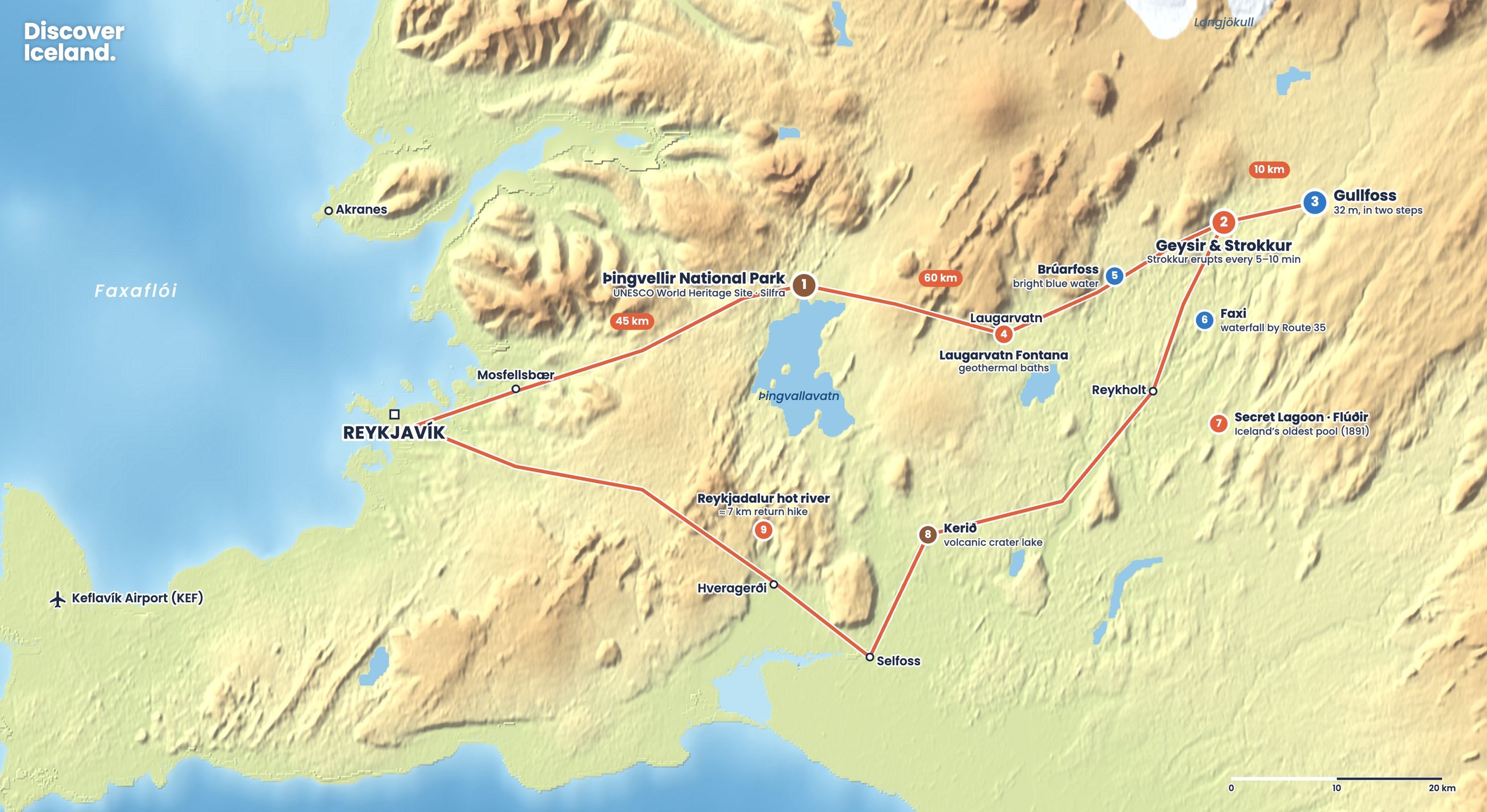
What is the best Golden Circle route for a self-drive day?
Leave Reykjavík early, visit Þingvellir first, then Geysir, then Gullfoss, and come back by the southern road through Selfoss. This keeps the driving smooth and lets you add stops on the way home. Here is a day that works from spring to autumn.
- 8.00 Leave Reykjavík. Take Route 1 north out of the city and turn onto Route 36 over the Mosfellsheiði moor.
- 8.45 Þingvellir. Park at Hakið (P1) by the visitor centre and walk down through the Almannagjá gorge to the Law Rock and Öxarárfoss. Allow 1.5 hours.
- 10.30 Drive to Laugarvatn. Route 365 crosses the Lyngdalsheiði heath to the lakeside village of Laugarvatn.
- 11.30 Geysir. Watch Strokkur erupt a few times and walk the paths past the Great Geysir. Have lunch at the cafés across the road.
- 13.30 Gullfoss. See the falls from the upper viewpoint and walk down to the lower path if it is open.
- 14.30 The way home. Pick one or two extras on Route 35: Faxi waterfall, the Friðheimar greenhouse, the Secret Lagoon at Flúðir or Kerið crater.
- 18.00 Back in Reykjavík, or stay the night in the countryside for dark skies and an early start on the south coast.
Arrive at Þingvellir before about 9 am or after 4 pm. The big tour coaches arrive mid-morning, and the paths through Almannagjá get crowded.
What is there to see at Þingvellir National Park?
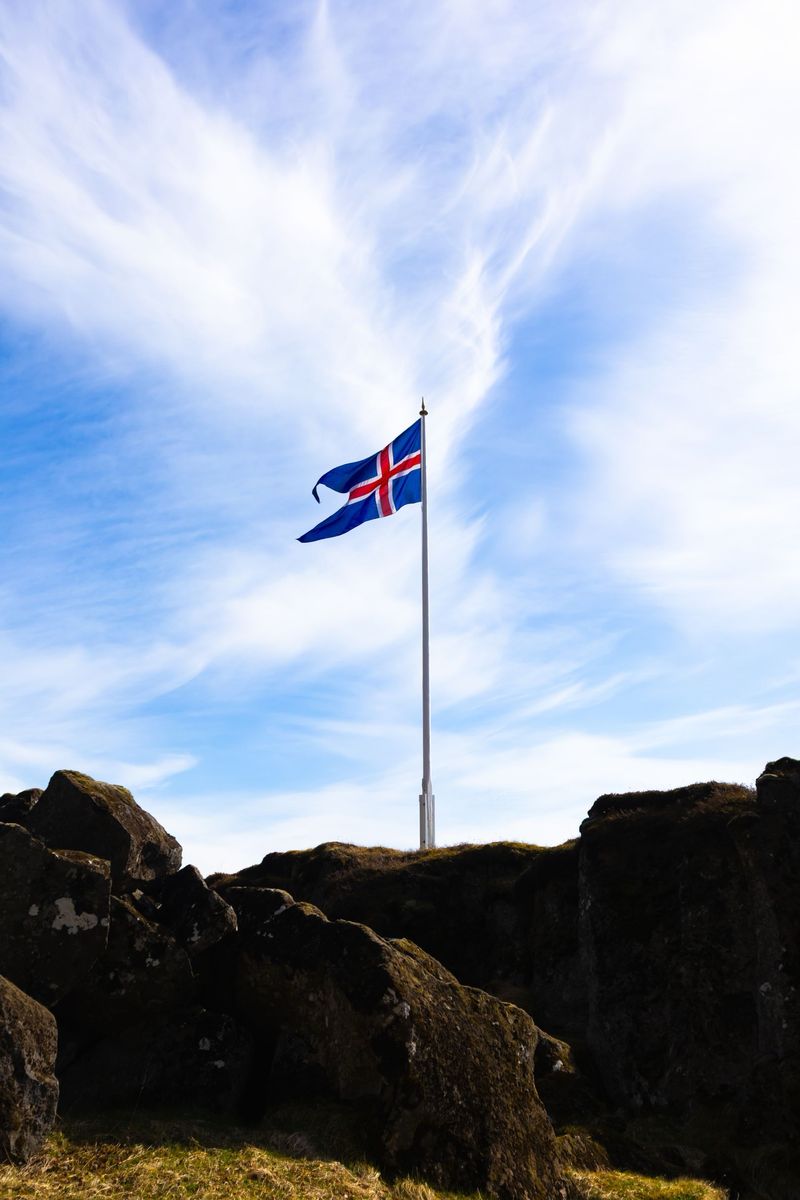
Þingvellir is a rift valley where you can walk along the edge of the North American plate, and it is also the birthplace of Iceland's parliament. The Alþingi first met here in 930 and kept gathering on the site for more than eight centuries. Iceland declared its independence from Denmark at Þingvellir on 17 June 1944. The park has been a UNESCO World Heritage Site since 2004.
The main walk runs down through Almannagjá, the largest fault in the park, from the visitor centre at Hakið to the Lögberg (Law Rock) and on to Öxarárfoss, a waterfall that drops over the fault wall. The small Þingvallakirkja church and Þingvallavatn, Iceland's largest natural lake, are a short walk away. Silfra, a fissure of clear glacial water, is where you can snorkel or dive between the plates with a licensed operator.
Parking costs ISK 1,000 a day for a car with up to five seats and covers all three main car parks (P1 Hakið, P2 by Öxarárfoss and P5 by Silfra). Pay at the machines or online at checkit.is. Read our full Þingvellir National Park guide for the walks, Silfra and the history, or see the Þingvellir place page.
What happens at Geysir?
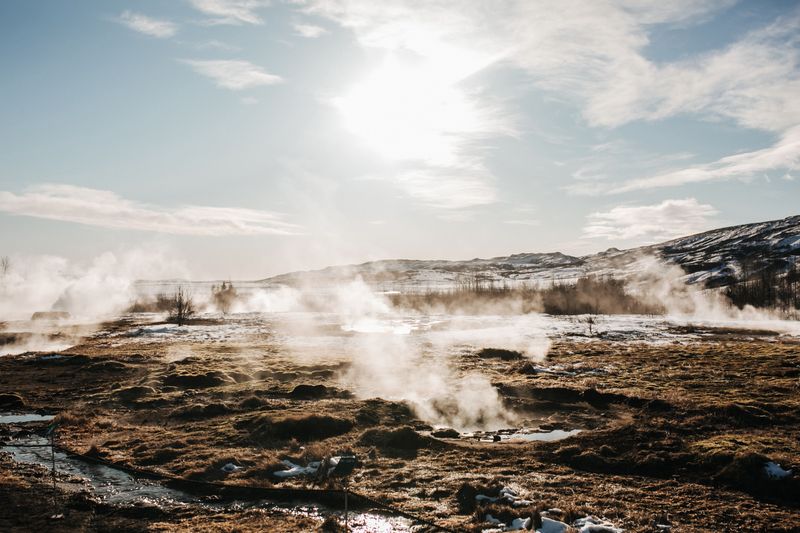
At Geysir you watch Strokkur, a hot spring that erupts every few minutes, throwing boiling water usually 15 to 20 metres into the air. The Great Geysir next to it gave its name to every geyser in the world, but it rarely erupts today. The whole Haukadalur geothermal area is free to enter and open all the time.
A loop of paths leads past steaming vents, bubbling pools and mineral-stained ground. Stay behind the ropes: the water in the vents is close to boiling. Stand upwind of Strokkur unless you want a warm shower. Parking costs about ISK 1,000, paid through the Parka app. The hotel, shops and cafés across Route 35 make Geysir the natural lunch stop. More detail in our guide to Geysir and Strokkur and on the Geysir place page.
How big is Gullfoss, and how long do you need there?
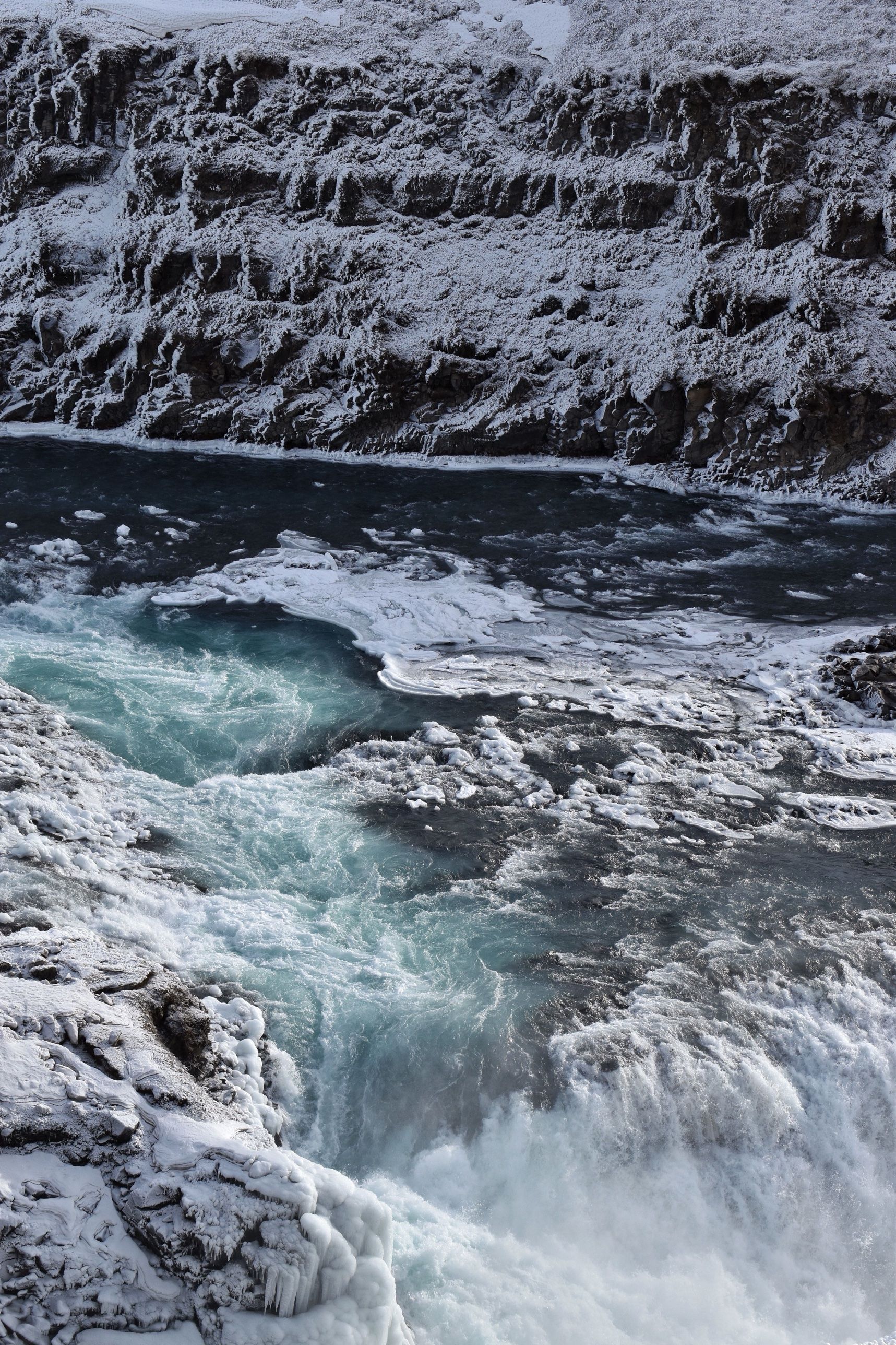
Gullfoss drops a total of 32 metres in two tiers, 11 and 21 metres, into a canyon about 2.5 km long. The river is the glacial Hvítá, and in summer around 140 cubic metres of water pour over every second. You need about 45 minutes to an hour to see it properly.
A short path leads from the car park to the upper viewpoint, and stairs lead down to a lower path that runs out to the edge of the first tier. That lower path is often closed by ice in winter. Expect spray, so bring a waterproof jacket in any season. The site is free to enter, and there is a café and shop at the visitor centre. The falls were protected in 1979; a stone memorial above them honours Sigríður Tómasdóttir, the farmer's daughter credited with fighting to keep them out of foreign hands. See the Gullfoss place page for photos.
How much does it cost to visit the Golden Circle?
The three main sights are free to enter, but you pay for parking at two of them. These were the prices we found in October 2026:
| Stop | Entry | Parking or fee |
|---|---|---|
| Þingvellir | Free | ISK 1,000 a day per car (up to 5 seats) |
| Geysir | Free | About ISK 1,000 via the Parka app |
| Gullfoss | Free | No parking fee listed in the sources we checked |
| Kerið crater | About ISK 700 per person | Free parking |
| Faxi waterfall | Free | About ISK 700–900 |
| Secret Lagoon | About ISK 4,200 per adult (2025 price) | Free parking |
| Laugarvatn Fontana | ISK 7,490 per adult | Free parking |
Add fuel for around 250 km and lunch. Parking machines and apps change, so check the signs on the day. At Þingvellir, cameras read number plates, so pay before you leave.
Should you self-drive the Golden Circle or take a tour?
Self-drive is best if you want to set your own pace, beat the crowds and add the smaller stops. A tour is best if you are travelling alone, do not want to drive on Icelandic roads, or are visiting in midwinter. Classic coach tours from Reykjavík cost from about ISK 12,000 per person and take seven to eight hours, with hotel pickup.
For a couple, the cost of a rental car and fuel is roughly the same as two tour tickets. For three or more people, driving is usually cheaper. We compare the two in detail in Golden Circle: self-drive or tour?
What other stops can you add to the Golden Circle?
The best extra stops are Kerið crater, the Friðheimar tomato greenhouse, the Secret Lagoon at Flúðir, Laugarvatn Fontana, Faxi waterfall and Brúarfoss. Each adds 30 minutes to two hours. Pick two or three rather than trying to fit them all in.
- Kerið: a red-walled volcanic crater with a green lake, on Route 35 north of Selfoss. Walk the rim and go down to the water.
- Friðheimar: a geothermal greenhouse at Reykholt where you eat tomato soup among the tomato plants. Book a table.
- Secret Lagoon: a natural hot pool at Flúðir, built in 1891, with water at 38–40°C.
- Laugarvatn Fontana: lakeside steam baths and a geothermal bakery where rye bread is baked in the hot ground.
- Faxi: a wide, low waterfall with a salmon ladder, about 11 km south of Geysir.
- Hveragerði and Reykjadalur: a greenhouse town on Route 1 and the walk to a hot river you can bathe in. See the Reykjadalur place page.
Prices, opening hours and how long each takes are in our guide to the best extra Golden Circle stops.
Can you drive the Golden Circle in winter?
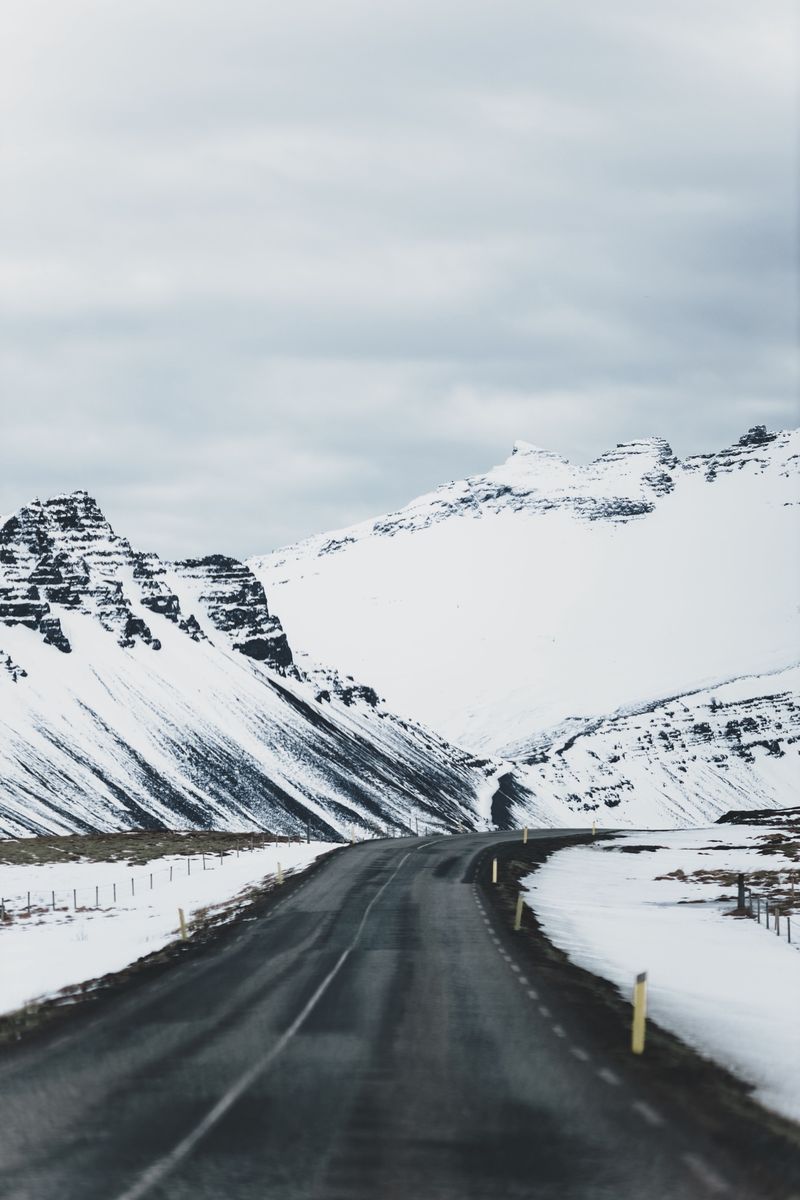
Yes. The Golden Circle is open all year, the main roads are cleared, and it is one of the easier winter drives in Iceland. The challenges are short daylight, ice and wind. In late December the sun is up for only about four hours, so you leave Reykjavík in the dark and see Gullfoss in the early afternoon.
Use a car with winter tyres, which rental companies normally fit in the cold months, and carry ice cleats for the paths at Þingvellir, Geysir and Gullfoss. Storms close roads a few days each winter, so check road conditions every morning. On clear winter nights the dark countryside away from Reykjavík is good for the northern lights. Our Golden Circle in winter guide covers the driving, the closures and the best aurora stops.
Is the Golden Circle worth it?
Yes, for most visitors. It packs geology, history and two of Iceland's most famous natural sights into a short, easy drive from the capital. It is also very busy, and if you only see the three headline stops with a coach full of people, it can feel rushed.
The way to make it worth it is to start early, add one or two quieter stops and stay out until the light changes. If you have a whole trip in Iceland, the Golden Circle also makes a natural first day of a Ring Road drive or a trip along the south coast. For more ideas, browse all of Iceland's highlights on the interactive map.
Can you combine the Golden Circle with the south coast?
Yes, but it works best over two days. Driving the Golden Circle and the south coast waterfalls in one go adds up to roughly 450–500 km and seven to nine hours behind the wheel, which leaves little time to walk. Split it instead: do the Golden Circle on day one, sleep near Selfoss, Hella or Hvolsvöllur, and drive on to Seljalandsfoss, Skógafoss and Vík on day two.
This is also how most Ring Road trips begin. The Golden Circle makes an easy first day after a long flight, and Route 35 brings you down to Route 1 at Selfoss, where the south coast starts. See our Ring Road guide and our south coast guide to plan what comes next.
Where should you stay near the Golden Circle?
Stay in Reykjavík if the Golden Circle is a day trip, and in the countryside if you want quiet mornings at the sights. Laugarvatn, Flúðir, Reykholt, Selfoss and Hveragerði all have hotels, guesthouses and cabins. Staying overnight lets you reach Þingvellir or Gullfoss before the tour buses, and the dark skies are far better for the northern lights than the city. Selfoss and Hveragerði are on Route 1, so they also make a good start for the south coast. See our guide on where to stay in Iceland for the bigger picture.
What should you know before driving the Golden Circle?
- Never stop on the road. Pull into a proper car park or lay-by for photos, even on quiet stretches.
- Watch your speed. The limit is 90 km/h on paved rural roads, and speed cameras are common.
- Keep to the paths. At Þingvellir the moss and fissures are fragile, and at Geysir the ground near the vents can be scalding.
- Pack a swimsuit. Several geothermal pools sit right on the route.
- Start with a full tank. Fill up in Reykjavík; the loop passes through villages, but the stops themselves are spread out.
- Check conditions. Look at the road map on umferdin.is and the forecast on vedur.is before you leave, especially from October to April.
For general driving rules and car hire, see getting around Iceland. If you like having the route on paper, our Complete Guide to Iceland, one of our printed guidebooks, has the Golden Circle with maps and timings.
Facts checked October 2026. Parking fees, entry prices and opening hours change, and the Secret Lagoon price is the latest published figure we could find (2025). Driving times are approximate summer times; check umferdin.is and vedur.is before you set off.