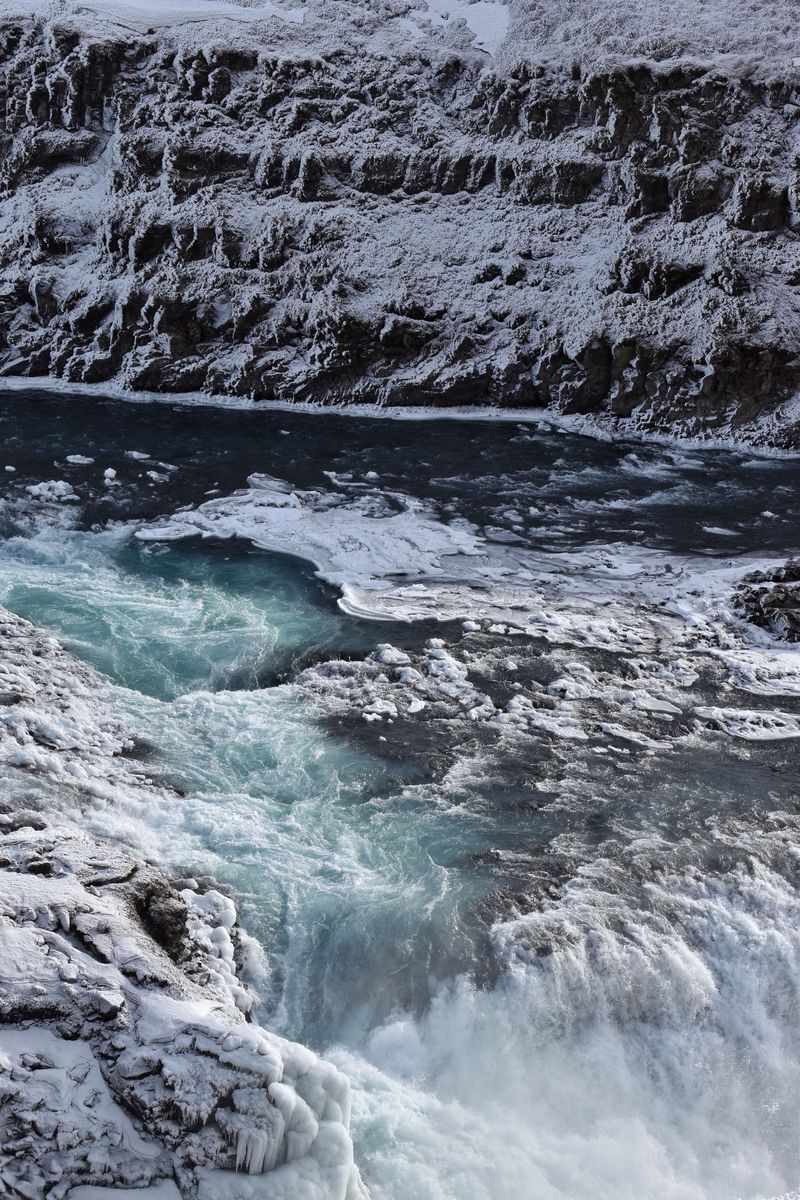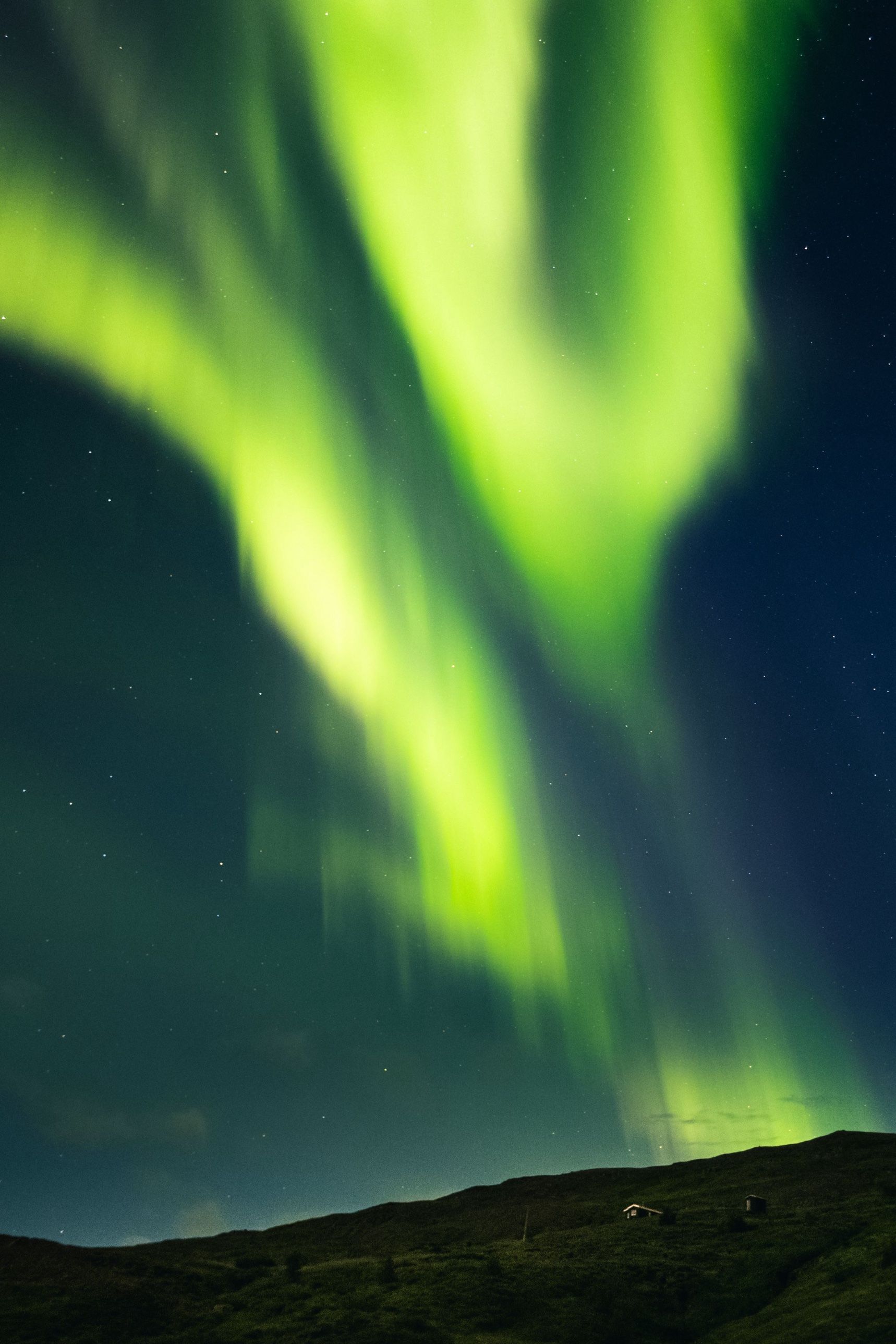
The Golden Circle is open all winter, and it is the easiest of Iceland's classic drives in the cold months. The roads are cleared and the sights are close together. The trade-offs are short days, icy paths and the odd storm. The reward is snowy rift walls at Þingvellir, a frozen Gullfoss, steam glowing in the low sun at Geysir and dark skies for the northern lights on the drive home.
Is it safe to drive the Golden Circle in winter?
Yes, for a careful driver with the right car, on a day with a good forecast. The main roads on the loop are paved and maintained through the winter, and you do not need a 4x4. Rental companies normally fit winter tyres in the cold months.
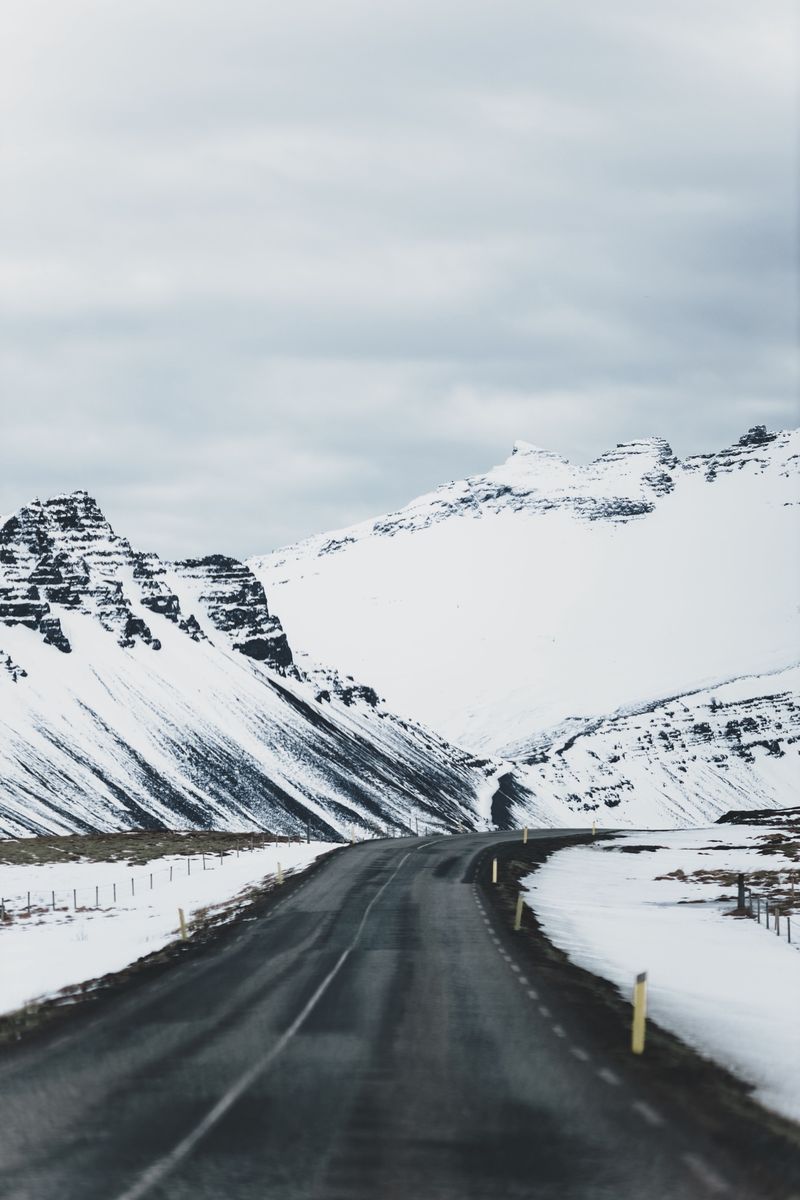
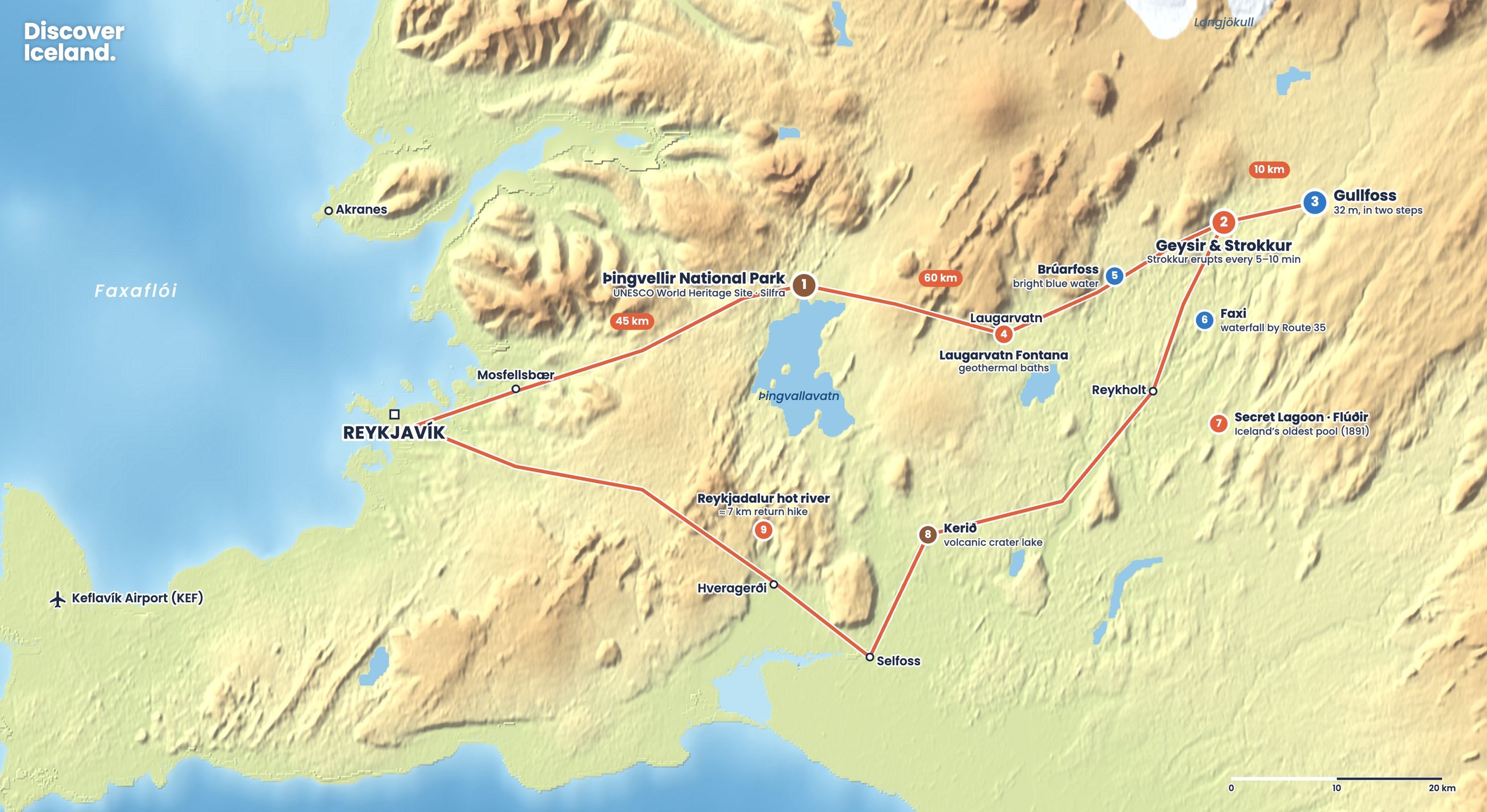
The risks are black ice, drifting snow and strong gusts on the open moors, especially on Route 36 over Mosfellsheiði and Route 365 over Lyngdalsheiði. Storms close parts of the route a few days each winter. Check the road map on umferdin.is and the forecast on vedur.is every morning, and do not drive in orange or red weather warnings. If you are not used to snow, a guided tour may be the better choice.
How much daylight do you get on a winter Golden Circle?
In late December the sun is up for only about four hours in southwest Iceland, from around 11 am to before 4 pm. Add twilight and you have about six usable hours. By late February and in October, days are much longer and the loop is far more relaxed.
Plan the day around the light. Drive to Þingvellir in the dark and arrive as it gets light, so you reach Gullfoss in the early afternoon. Save the driving home for after dark, when the roads are quieter and the sky may light up.
What is a good winter Golden Circle itinerary?
- 9.30 Leave Reykjavík in the dark, on Route 1 and Route 36.
- 10.30 Þingvellir at first light. Walk down Almannagjá from the Hakið visitor centre. Allow an hour.
- 12.15 Geysir. Watch Strokkur in the low sun, then have lunch across the road.
- 13.45 Gullfoss in the best of the afternoon light. Allow about 45 minutes.
- 15.00 A warm stop. Soak at the Secret Lagoon at Flúðir or Laugarvatn Fontana as the light fades.
- 18.00 onwards: aurora watch. If the forecast is clear, stop at a dark car park on the way back. Otherwise head to Reykjavík or your countryside hotel.
What is closed on the Golden Circle in winter?
The main sights stay open all year, but some paths close when they ice over. At Gullfoss, the lower path that runs out beside the first tier often closes from November to March, and the closure is enforced. The upper viewpoint stays open in almost all conditions, and the visitor centre café stays open.
- Gullfoss: the stairs down from the upper car park are where most falls happen. Use the handrails.
- Þingvellir: the Almannagjá path is open but can be glazed with ice. Some side paths may be closed.
- Geysir: paths stay open, but ice forms around the vents. Keep well behind the ropes.
- Kerið: the rim path and the steps to the lake can be slippery. Visit in daylight only.
- Seasonal cafés: some smaller cafés and restaurants, such as the one at Faxi, open only in summer.
Pack ice cleats that slip over your boots. They cost little, weigh almost nothing and make every path on the loop safer from November to March.
Where can you see the northern lights on the Golden Circle?
The best aurora spots on the Golden Circle are anywhere dark, away from Reykjavík's lights, with a proper place to park. The season runs from roughly September to mid-April, and you need a clear sky. Check the aurora and cloud-cover forecast on vedur.is in the afternoon. Our northern lights guide explains how to read it.
- Þingvellir: the valley is wide, open and dark, and Þingvallavatn gives reflections on calm nights. Use the official car parks, which are paid during the day.
- Laugarvatn: the lakeshore by the village faces south over the water, with little light around it.
- Laugarvatn Fontana: open until 21:00 in winter, so you can soak in the warm pools under a dark sky.
- Around Flúðir and Reykholt: the farmland is dark, but the greenhouses glow orange. Look for spots away from them.
- A countryside hotel: the easiest option of all. Stay the night and step outside whenever the sky clears.
Never stop on the road or the hard shoulder to look at the sky. Pull into a proper car park or lay-by, turn off your headlights and give your eyes 15 minutes to adjust. Watch out for other drivers doing the same.
Does Strokkur erupt in winter?
Yes. Strokkur erupts all year, every few minutes, whatever the weather. In winter the eruptions often look bigger, because the cold air turns the spray into a tall column of steam. The low sun from the south lights it from behind for much of the short day. Read more in our guide to Geysir and Strokkur.
Can you combine the Golden Circle with a northern lights tour?
Yes. Several Reykjavík operators run winter combo tours that cover the Golden Circle by day and a northern lights hunt by night. One large operator lists a 14–16 hour combo at about ISK 20,300 per person in 2026. It makes a very long day, so book it early in your trip, when you are fresh, and keep a spare night in case of clouds. Many aurora tours offer a free retry if you see nothing.
What should you pack for a winter Golden Circle?
- A waterproof, windproof jacket and trousers. The spray at Gullfoss freezes on clothes.
- Warm layers, a hat, waterproof gloves and a buff or scarf.
- Waterproof boots with real soles, plus ice cleats.
- A swimsuit and towel for the geothermal pools.
- A head torch for dark car parks, and a power bank: phone batteries drain fast in the cold.
- Snacks and water in the car, in case a road closes and you have to wait.
Is the Golden Circle worth it in winter?
Yes. Fewer visitors, snow-covered landscapes and the chance of auroras make winter one of the most atmospheric times to see it. Gullfoss half-frozen and the steam at Geysir in the low sun are among the best winter sights in Iceland. Just keep the day short, flexible and led by the forecast.
For the summer version of the loop, timings and fees, see our main Golden Circle self-drive guide. For more on the season, read the best time to visit Iceland, and if you want everything on paper, our Winter edition is among our printed guidebooks.
Facts checked October 2026. Path closures at Gullfoss and other sites depend on ice and are decided on the day; check umferdin.is, vedur.is and safetravel.is before you drive, and confirm tour prices and pool hours when you book.