Iceland has no trains, and outside the capital the buses are few. For most visitors that makes a rental car the easiest way to see the country, but the roads ask for respect: wind, gravel, single-lane bridges, sheep and fast-changing weather. Here is how each way of getting around works, what it costs and when it makes sense.
Do you need a car in Iceland?
For anything beyond Reykjavík and a few day tours, yes. A car lets you stop at the waterfalls and viewpoints the buses pass by, start before the crowds, and wait out the weather. Without one you can still see a lot by basing yourself in Reykjavík and joining day tours to the Golden Circle, the south coast and the glacier lagoons.
In winter many visitors choose tours over self-driving. Snow, ice, strong wind and short days make driving harder, and guides know which roads are safe that day.
What are the rules for driving in Iceland?
- Speed limits: 90 km/h on paved rural roads, including most of the Ring Road; 80 km/h on gravel roads; 50 km/h in towns, and often 30 km/h in residential streets. No road is signed faster than 90 km/h.
- Fines are high: speeding fines range from about ISK 20,000 to well over ISK 150,000, and speed cameras are common.
- Headlights on: dipped headlights are required at all times, day and night.
- Single-lane bridges: the car that reaches the bridge first has priority. Slow down and look ahead.
- No off-road driving: driving off marked roads damages the moss and soil for decades and is illegal.
- Never stop on the road: pull into a proper lay-by or car park for photos, even if the road looks empty.
What is the Ring Road?
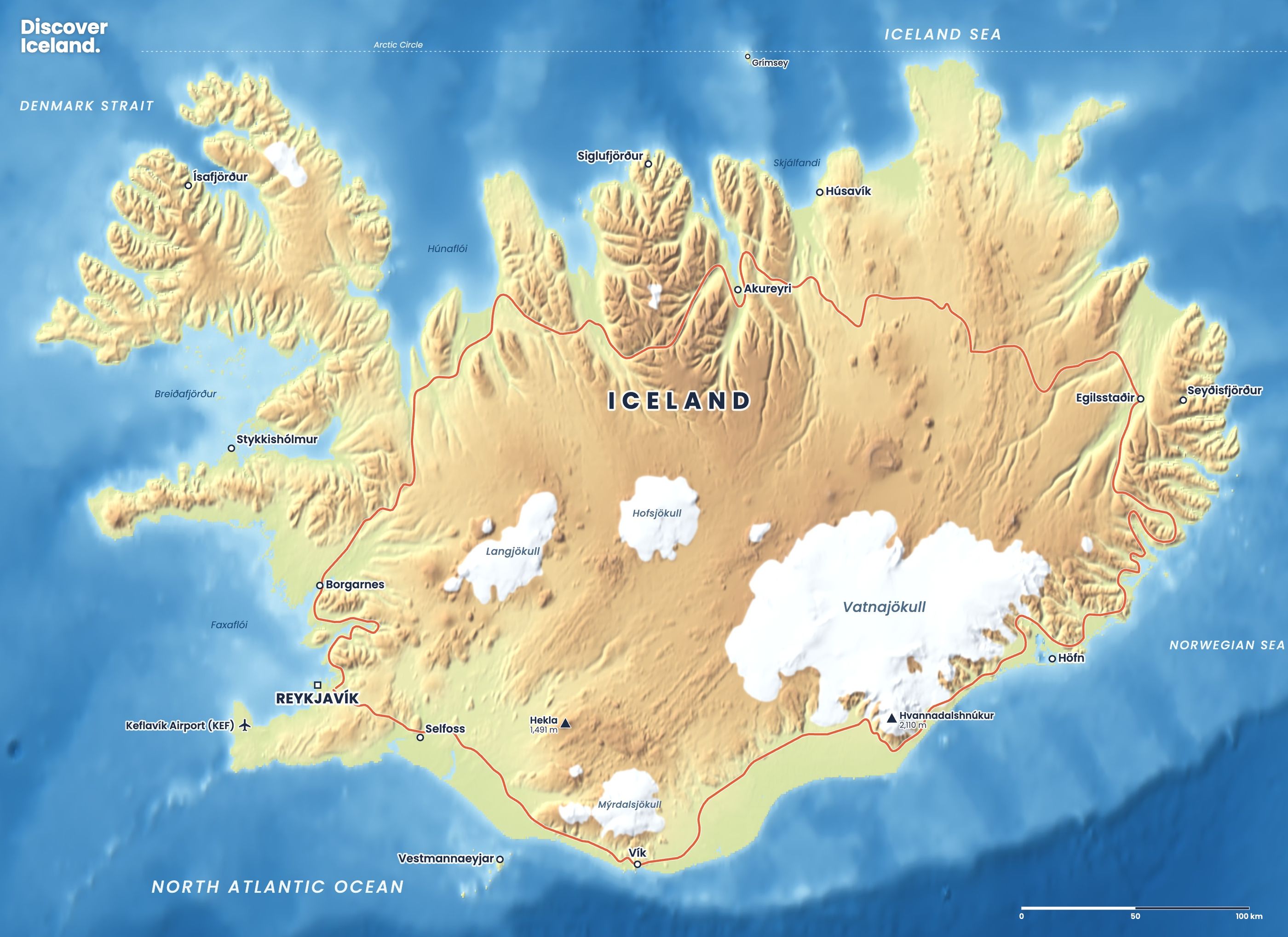
Route 1, the Ring Road, circles the island for about 1,320 km and links most of the towns and famous sights. It is paved almost all the way, but much of it is a two-lane road with no hard shoulder. Driving it in fewer than seven days means long hours at the wheel; ten days or more lets you add Snæfellsnes or detours to the east and north.
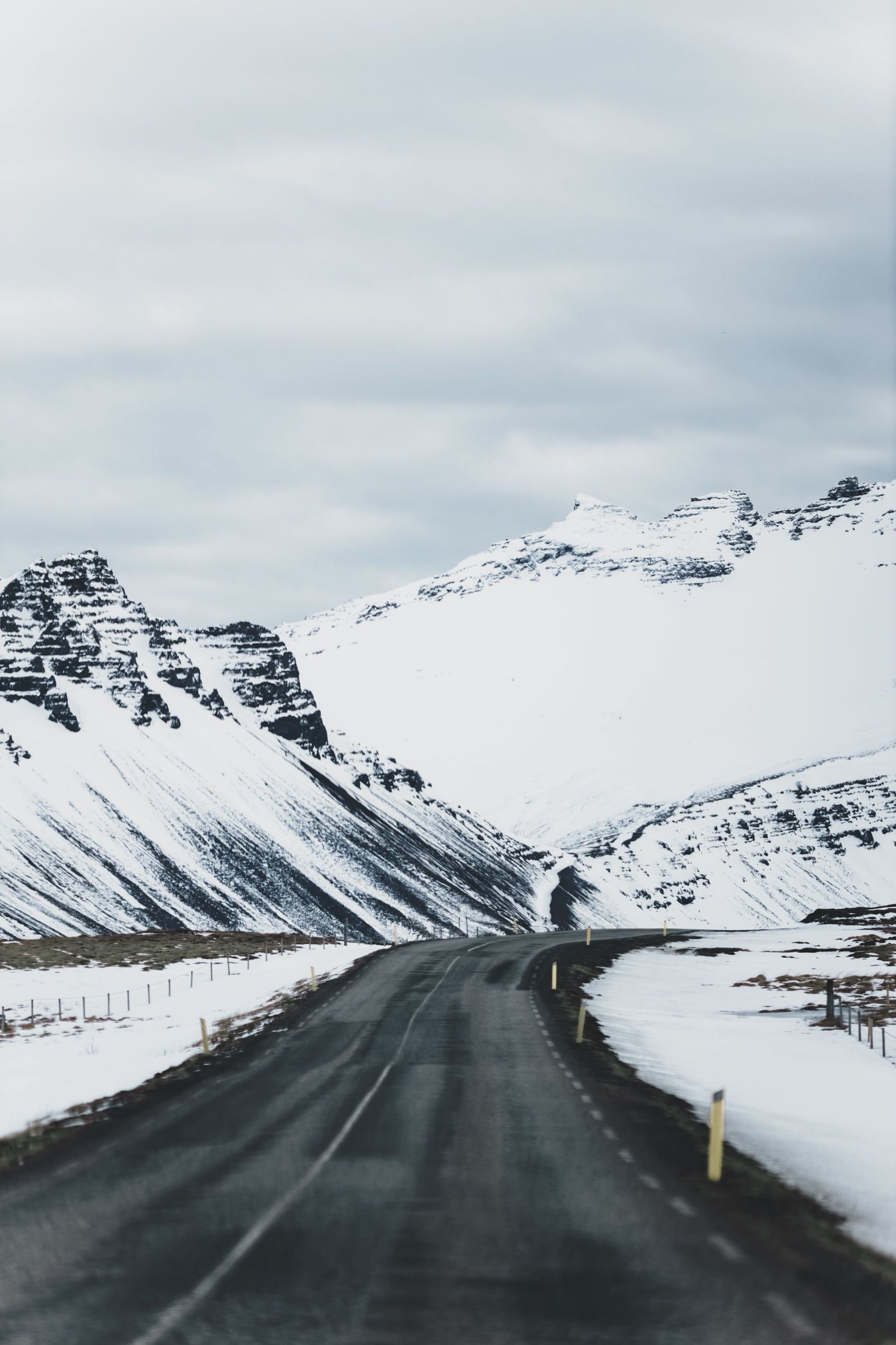
In winter the stretches across the north and east can close in storms. Check conditions before every leg and be ready to wait a day.
What are F-roads, and can you drive them?
F-roads are the mountain tracks into the highlands, including the routes to Landmannalaugar, Kjölur and Sprengisandur. They are only open in summer, usually from mid or late June to September, with dates that vary every year. Only 4x4 vehicles are allowed, and driving a normal car on them voids the rental insurance.
Many F-roads cross rivers without bridges. Glacier rivers rise on warm afternoons and after rain, so cross early in the day, check the depth first, and turn back if in doubt. Recovery costs are not always covered even with a 4x4.
How do you check road conditions and weather?
Use three sources every day. The Icelandic Road and Coastal Administration's map at road.is shows which roads are open, icy or closed, and its phone line 1777 gives updates. The Icelandic Met Office at vedur.is has wind and weather forecasts; pay special attention to wind warnings. SafeTravel posts alerts for travellers and lets you leave a travel plan.
Wind matters most. Strong gusts can rip a car door off its hinges and push a campervan off the road. Park facing the wind, open doors with both hands, and do not drive in red or orange wind warnings.
How do you get from Keflavík Airport to Reykjavík?
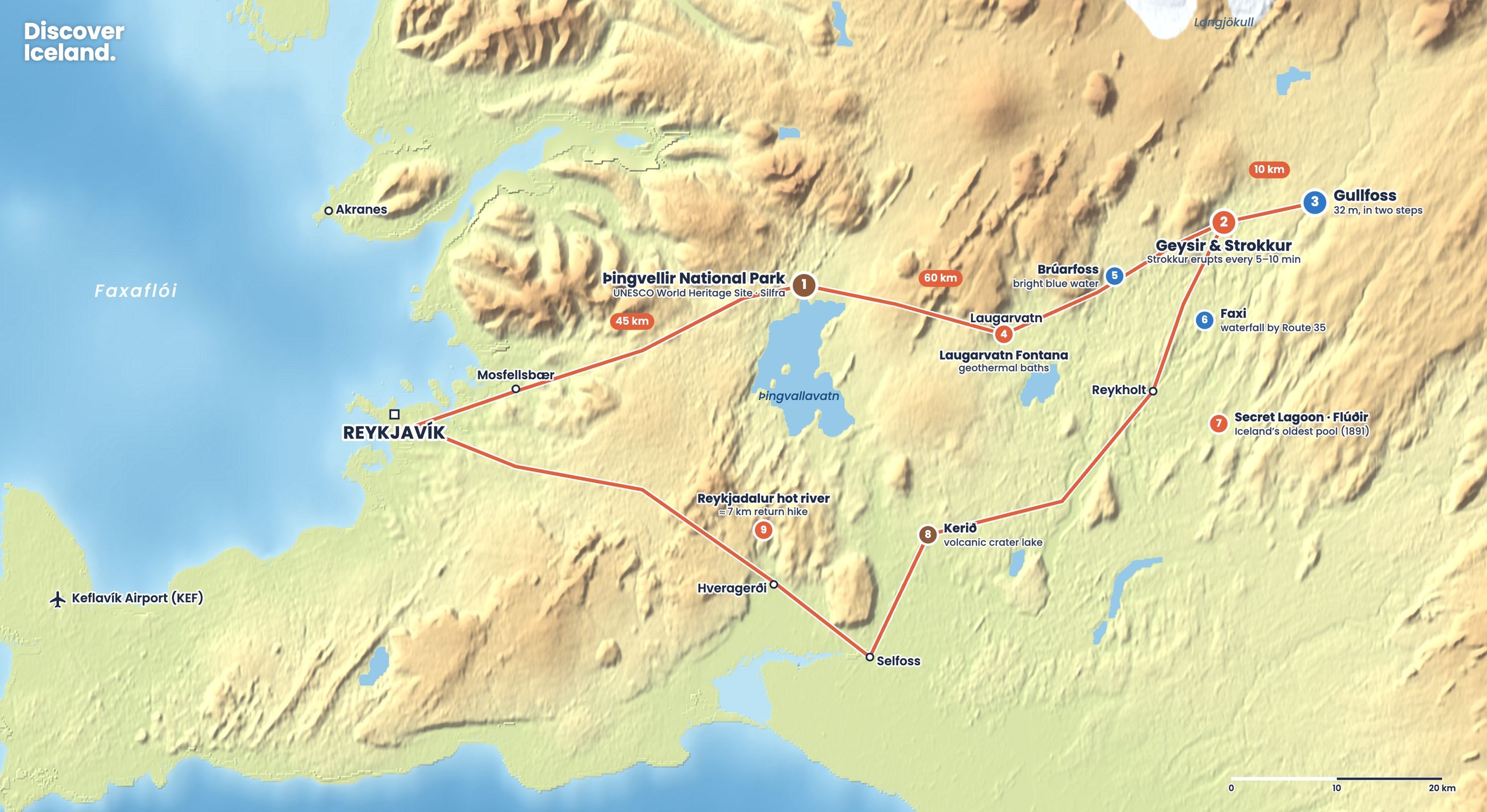
Keflavík Airport is about 50 km from Reykjavík. The Flybus takes about 45 minutes to the BSÍ bus terminal, from ISK 3,999 one way, and meets arriving flights. The public Strætó bus 55 is cheaper at about ISK 2,400 but runs less often. A private transfer costs around ISK 30,000 for up to three people. If you are renting a car, pick it up at the airport.
Can you travel around Iceland by bus?
In Reykjavík, the yellow Strætó buses cover the capital area. Pay with a contactless bank card, Apple Pay or Google Pay when you board, or through the Klapp ticket system; cash is not accepted. The Reykjavík City Card includes city buses.
Outside the capital, the Icelandic Road and Coastal Administration runs a network of 25 rural bus routes, including long-distance services such as the run to Akureyri. Some routes run only a few times a day, and several were cut back from autumn 2026, including the discontinued route 73 in South Iceland. Buses are fine for getting between towns but do not stop at most sights, so check timetables carefully.
Are there taxis and Uber in Iceland?
Uber and Lyft do not operate in Iceland. Taxis are licensed and expensive. The Hopp app books licensed taxis in the capital area, Reykjanesbær, Keflavík Airport and Akureyri, and shows you the price before you confirm.
Should you take domestic flights?
Domestic flights from Reykjavík's city airport reach Akureyri, Egilsstaðir and Ísafjörður in under an hour. They save a full day of driving each way and are especially useful in winter, when roads in the north and east can close. Flying to Akureyri and renting a car there is a good way to see the north on a short trip.
Facts checked October 2026. Fares, bus routes and timetables change; check the Flybus, Strætó and road authority websites before you travel, and check road and weather conditions every day.
Sources
- Iceland speed limits (Guide to Iceland)
- The F-roads of Iceland (Blue Car Rental)
- Adjustments in rural bus service operations (Icelandic Road and Coastal Administration)
- Strætó: Reykjavík public transport (Visit Reykjavík)
- Uber in Iceland and airport transfer prices (Iceland Highlights)
- Road conditions (umferdin.is / road.is)