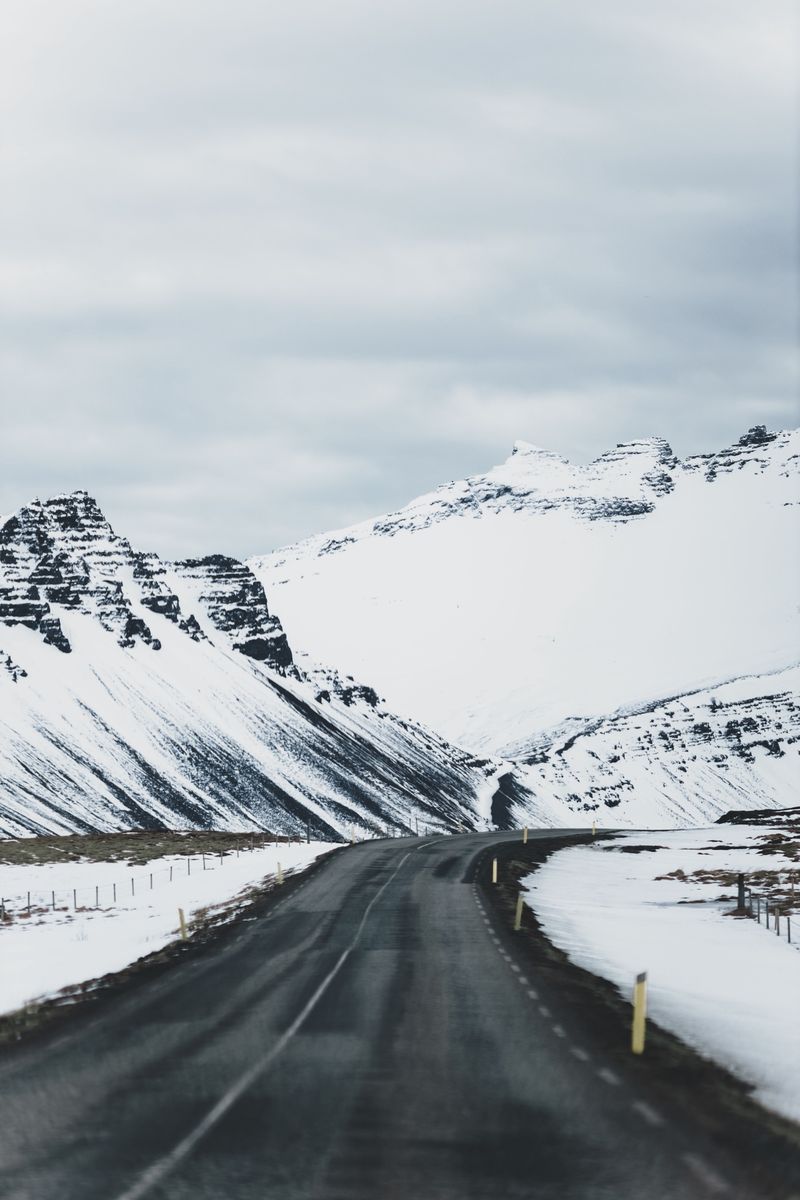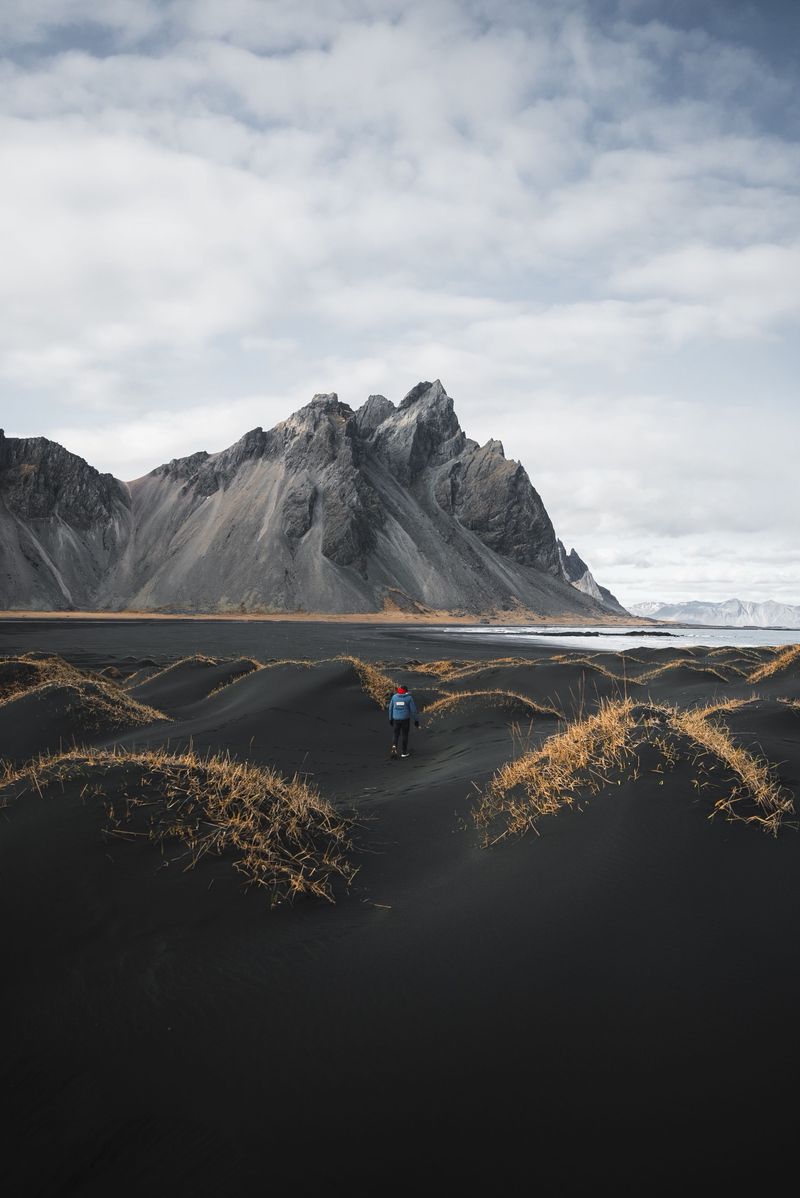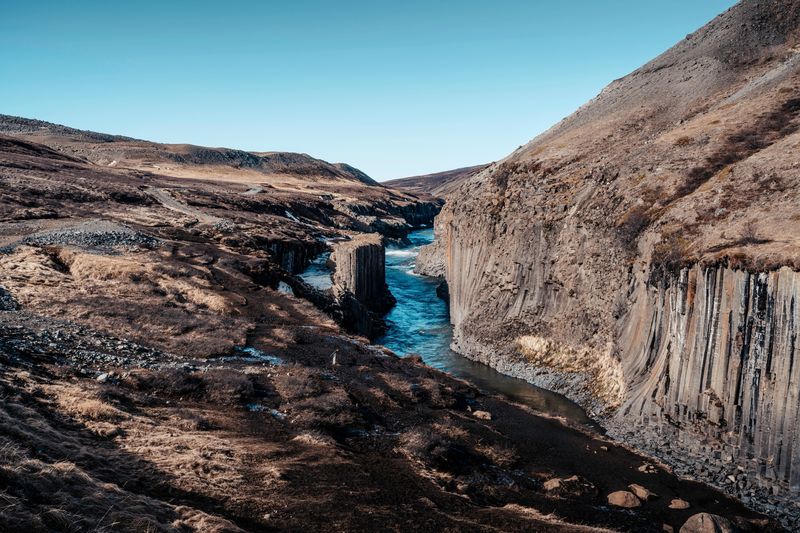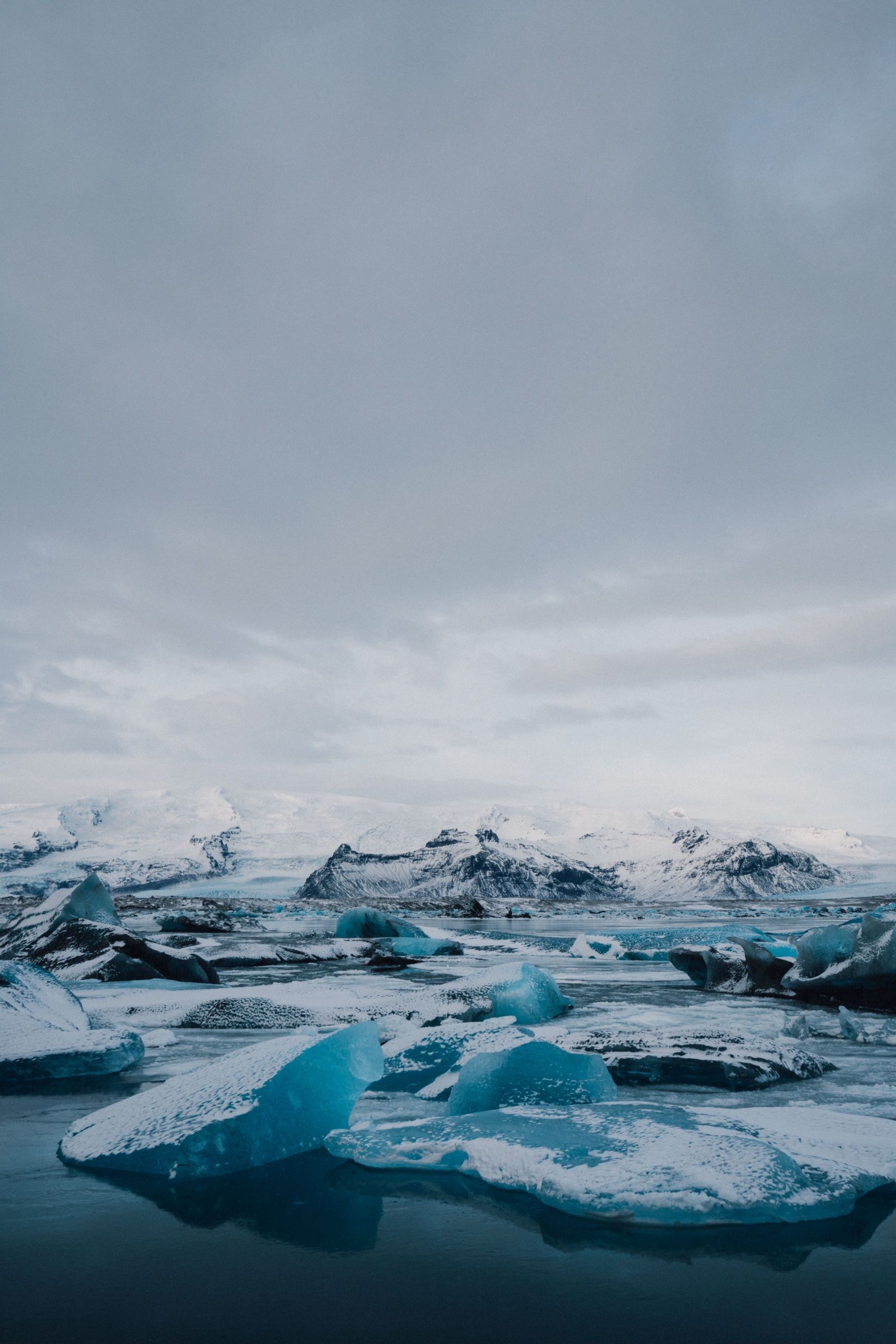
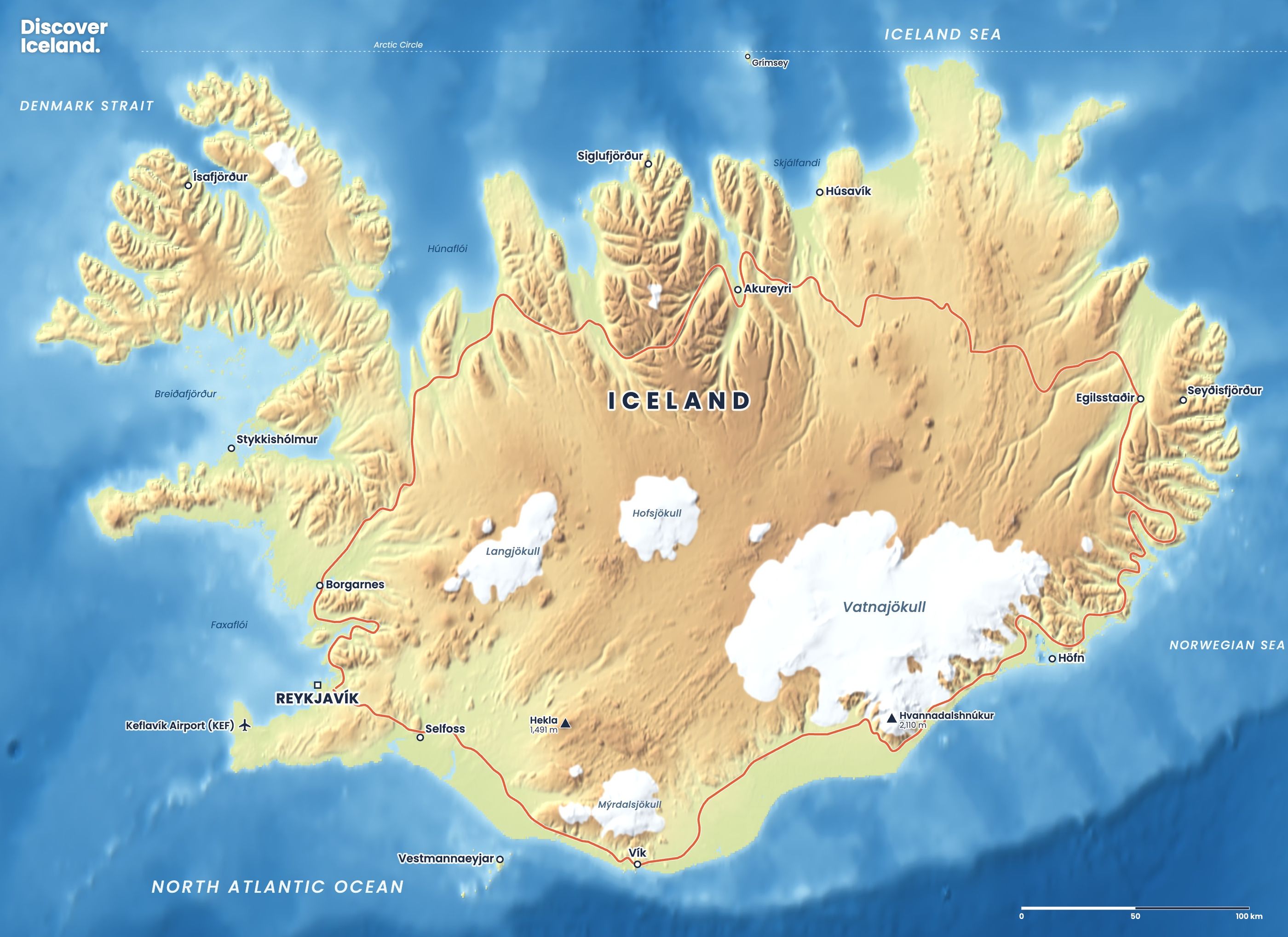
Yes, the Ring Road can be driven safely in winter, but only with the right car, flexible plans and a daily check of the weather and road conditions. Route 1 is paved and has the highest priority for snow clearing. Even so, storms close the mountain passes in the north and east several times each winter, and daylight in December lasts only about four hours. Allow at least ten days for the full loop, or drive only the south coast.
Is it safe to drive the Ring Road in winter?
It is safe if you drive to the conditions and are willing to wait. The road authority keeps Route 1 open as much as possible and aims to clear snow and ice before morning traffic on serviced days. The real risks are ice, wind and darkness. Blue Car Rental notes that most winter accidents are caused by ice, especially black ice around 0°C, when the road looks merely wet.
If you have never driven on snow and ice, think hard before booking a self-drive winter loop. Guided tours from Reykjavík or a base in one region are good alternatives. Our getting around Iceland guide compares the options.
Which parts of the Ring Road close in winter?
The mountain passes close most often. Visit Iceland names three: Holtavörðuheiði between Borgarnes and the north, Öxnadalsheiði west of Akureyri, and Möðrudalsöræfi, the high plateau between Mývatn and Egilsstaðir. Stretches of Route 1 in the East Fjords also close in severe weather.
Closures usually last hours, sometimes a day or two. When a road is closed, a sign or gate will say "Lokað", meaning closed. Respect it; closures are only put in place when needed.
Some side roads are effectively shut all winter. The Öxi pass (Route 939) is closed, the gravel road to the east bank of Dettifoss (Route 864) is usually impassable, and the highland F-roads are closed until summer. Paved Route 862 to the west side of Dettifoss is open more often, but it too closes in bad weather.
How much daylight do you get on a winter road trip?
Very little in midwinter. Around the December solstice Reykjavík gets about four hours of daylight, with sunrise after 11 am. By early February that has grown to around six hours forty minutes, and to about ten hours by the end of the month. The north gets even less light in December.
In deep winter, plan to drive only between about 10:00 and 16:00. That means short legs of two to three hours, and sights visited in twilight. Driving in the dark on ice, with oncoming headlights and no streetlights, is much harder than it sounds.
| Month | Daylight in Reykjavík | What it means |
|---|---|---|
| December | about 4 h | One short leg a day, or stay in one region |
| Early February | about 6.5 h | Short legs with one or two stops |
| Late February | about 10 h | A full loop becomes realistic with 10+ days |
What car and tyres do you need in winter?
A 4x4 is strongly recommended between October and May, according to Guide to Iceland, although Route 1 can be driven in a two-wheel-drive car all year. More important than four-wheel drive is good tyres and the experience to use them.
Rental cars come with winter tyres in the cold months; Blue Car Rental, for example, fits studded tyres from 1 November to 15 April. The legal minimum tread depth for winter tyres is 3 mm. Snow chains are not normally used on rental cars. Ask the rental company what tyres you will get and confirm it in writing.
How do you check road conditions and weather?
Check three sources every morning and again during the day:
- road.is (umferdin.is): the road map from the Icelandic Road and Coastal Administration shows which roads are open, slippery or closed. You can also call 1777.
- vedur.is: the Icelandic Met Office forecast, with yellow, orange and red wind and snow warnings. Do not drive in orange or red warnings.
- SafeTravel: the conditions map collects alerts and closures. You can also leave your travel plan there.
General weather apps are unreliable in Iceland. Use the official sources.
Wind is the hidden danger. Gusts can push a car across the road and tear a door off its hinges. Park facing into the wind, open doors with both hands, and treat an orange wind warning as a reason to stay put.
How many days do you need for the Ring Road in winter?
Allow at least ten days for the full loop in winter, not seven. That leaves short driving days and a spare day or two for closures. Book rooms with free cancellation so you can move a night if a pass shuts.
With seven days or fewer, skip the full loop. Drive the south coast from Reykjavík as far as Jökulsárlón or Höfn and back. You see Seljalandsfoss, Reynisfjara and the glacier lagoons, and in winter you can join a guided tour into the ice caves of Vatnajökull. Our 5-day Iceland itinerary follows this route.
What are the best things about the Ring Road in winter?
Winter brings the northern lights, frozen waterfalls, snow-covered lava fields and far fewer people. The nights are long and dark from September to April, so every clear evening outside the towns is a chance to see the aurora. See our northern lights guide for forecasts and tips.
Ice caves under Vatnajökull are a winter-only experience, open only with a guide. Lake Mývatn and Akureyri are beautiful under snow, and a hot soak at the Mývatn Nature Baths ends a cold day well.
What should you carry in the car in winter?
- Warm layers, a hat, gloves and a blanket for everyone in the car.
- Water, snacks and a charged power bank.
- A snow brush and ice scraper (check the rental car has them).
- Ice cleats for walking at icy car parks and viewpoints.
- A full tank: never let it drop below half, as stations are far apart in the east and north.
Save 112, the emergency number, and leave your travel plan with SafeTravel before you set off.
What are the golden rules for winter driving in Iceland?
- Drive slower than the limit when the road is icy, especially in bends and on bridges.
- Headlights must be on at all times, day and night.
- Never stop on the road for photos or the aurora; pull fully into a car park.
- Stay on Route 1. Satnav apps sometimes suggest shortcuts on mountain roads that are closed.
- If the forecast is bad, wait. A lost day is better than a dangerous drive.
For everything else about Route 1, read our complete Ring Road guide. Our printed Winter Guide has more on driving, aurora spots and ice caves.
Facts checked October 2026. Winter closures happen at short notice, and rental tyre policies vary by company. Check road.is, vedur.is and SafeTravel every morning, and confirm tyres with your rental company before you travel.
Sources
- The Ring Road – Route Number One (Visit Iceland)
- Winter services (Icelandic Road and Coastal Administration)
- Driving a car in the winter? (SafeTravel)
- Top 12 tips for driving in Iceland (SafeTravel)
- Snow tires in Iceland (Blue Car Rental)
- Winter driving in Iceland (Blue Car Rental)
- Ring Road in winter: what's open, what to skip (isnet)
- Ring Road travel guide (Guide to Iceland)