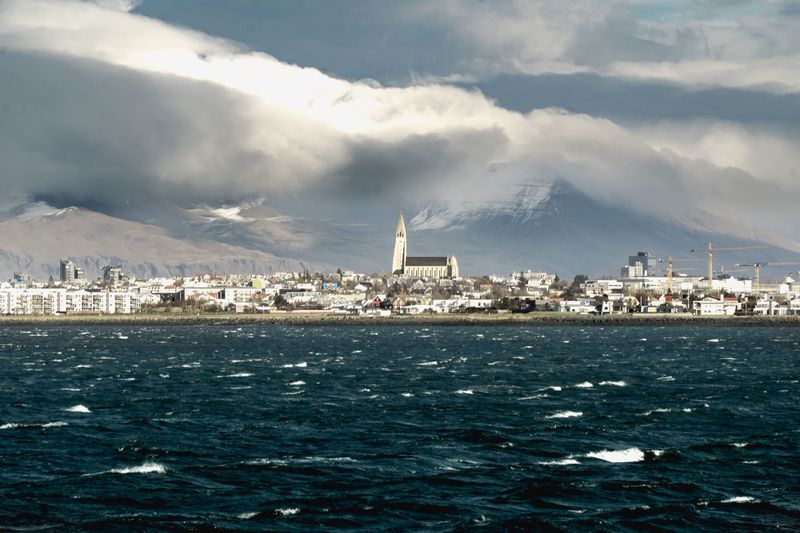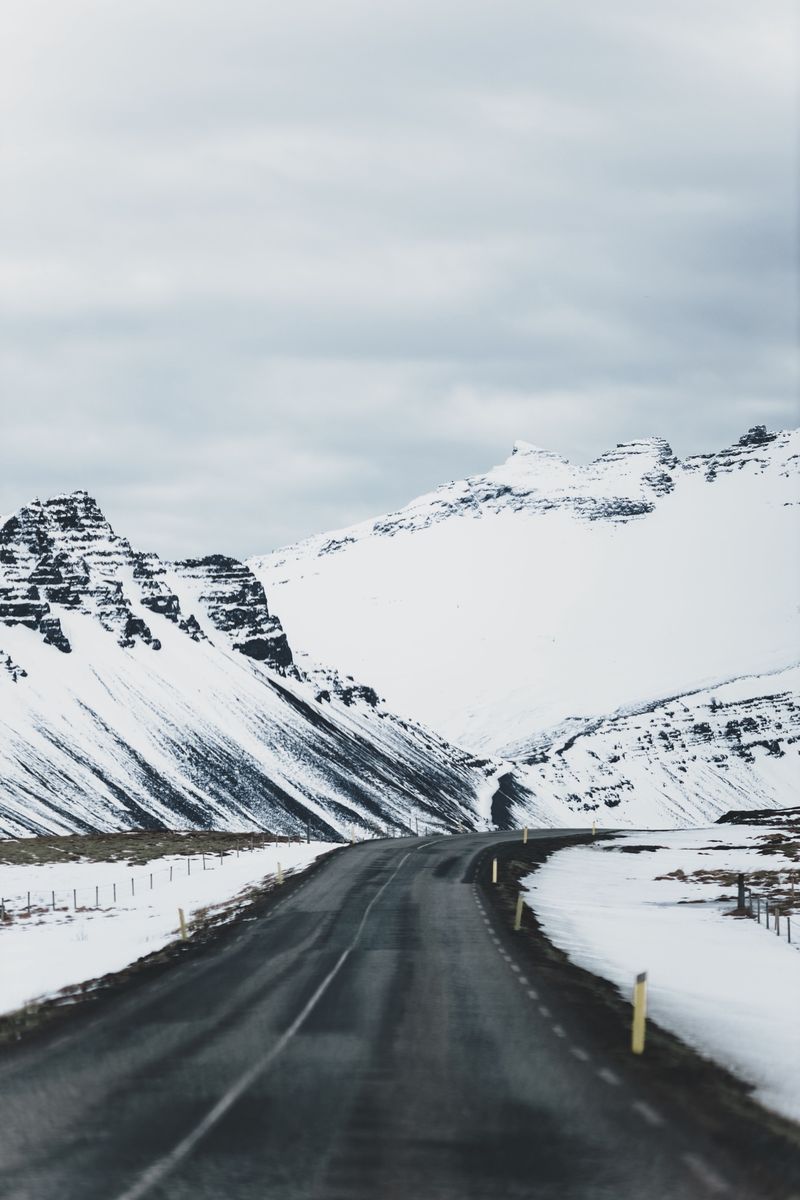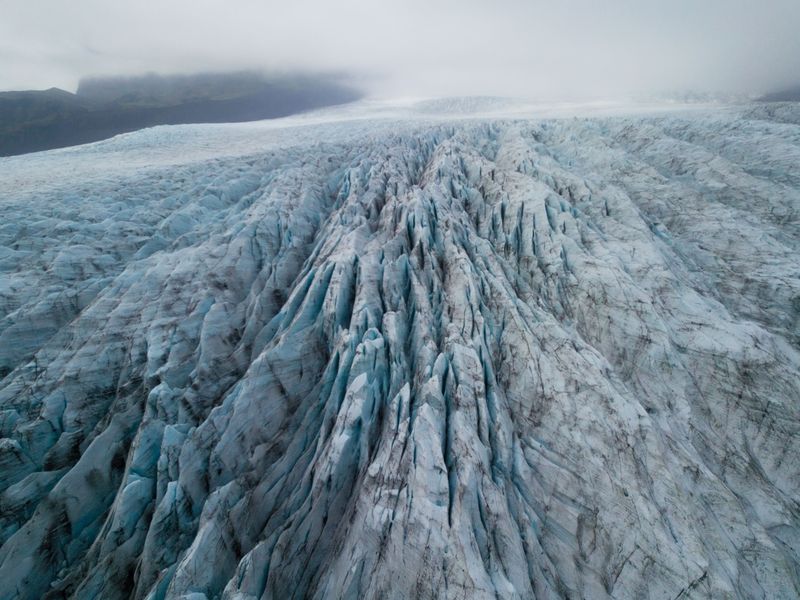
Iceland is cool all year and changes more with the light than with the temperature. In Reykjavík the average high only swings from about 3°C in winter to about 15°C in July, but daylight swings from four hours to more than twenty. Roads, prices and crowds follow the light. Here is what each part of the year is like, using the long-term averages for Reykjavík, plus the 2027 dates worth planning around.
When is the best time to visit Iceland?
For most first trips, June to August is the best time to visit Iceland. The days are long, all the main roads are open, the highland routes open from around mid to late June, and the weather is at its mildest. It is also the busiest and most expensive time, and August was the peak month for foreign visitors at Keflavík Airport in 2025.
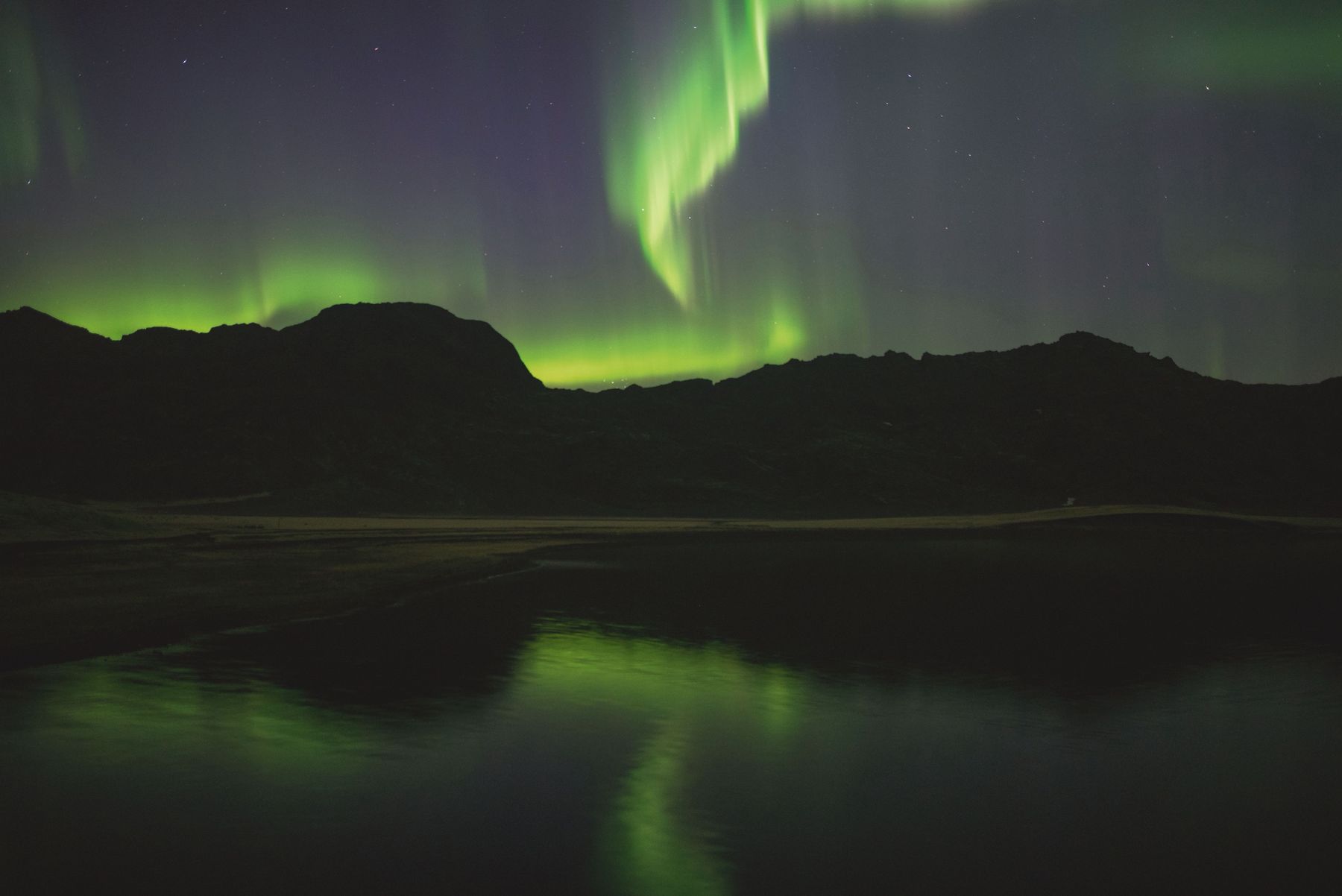
For the northern lights, come between late September and March, when the nights are long and dark. You trade daylight and easy driving for the chance of auroras, ice caves and snowy landscapes.
The shoulder months are a strong compromise. May and September usually bring fewer people, lower prices and enough daylight for long drives. September adds the first dark nights for aurora hunting while the roads are normally still clear.
What is the weather like in Iceland month by month?
These are the 1991–2020 averages for Reykjavík, from the Icelandic Met Office normals. The north and the highlands are colder and the south coast is wetter, but the pattern is the same across the country.
| Month | Avg high | Avg low | Rain/snow | Sunshine |
|---|---|---|---|---|
| January | 3.2°C | −1.7°C | 87 mm | 23 h |
| February | 3.3°C | −1.9°C | 91 mm | 62 h |
| March | 4.2°C | −1.3°C | 81 mm | 110 h |
| April | 6.9°C | 1.0°C | 59 mm | 165 h |
| May | 10.1°C | 4.0°C | 53 mm | 209 h |
| June | 13.0°C | 7.2°C | 43 mm | 190 h |
| July | 14.9°C | 9.1°C | 50 mm | 183 h |
| August | 14.1°C | 8.6°C | 65 mm | 165 h |
| September | 11.4°C | 6.2°C | 87 mm | 118 h |
| October | 7.6°C | 2.7°C | 80 mm | 92 h |
| November | 4.7°C | −0.1°C | 87 mm | 40 h |
| December | 3.3°C | −1.6°C | 95 mm | 13 h |
The numbers hide the wind. Iceland is one of the windiest places in Europe, and a 5°C day in a gale feels far colder than the thermometer says. Storms can arrive in any month, so the forecast matters more than the season.
How many hours of daylight does Iceland get?
Around the June solstice Reykjavík gets about 21 hours of daylight, and the sky never gets properly dark. The sun sets close to midnight and rises again around 3 am. In the north it barely sets at all for a few weeks.
Around the December solstice Reykjavík gets about four hours of daylight, with sunrise after 11 am and sunset around 3.30 pm. The low sun gives long golden light all day, but it limits how far you can drive before dark. Plan winter days around the light and keep drives short.
When can you see the northern lights in Iceland?
You need a dark sky, so the aurora season runs from roughly late August or September to mid-April. In summer the nights are simply too bright. Within the season, three things decide your chances: clear skies, solar activity and getting away from town lights.
Cloud is the biggest obstacle. The Icelandic Met Office publishes an aurora forecast with a cloud-cover map, and locals check it every evening. A stay of several nights, ideally outside Reykjavík, gives you far better odds than a single night. September and March are good bets because the weather is often milder than in midwinter while the nights are already long.
When do the highland roads open?
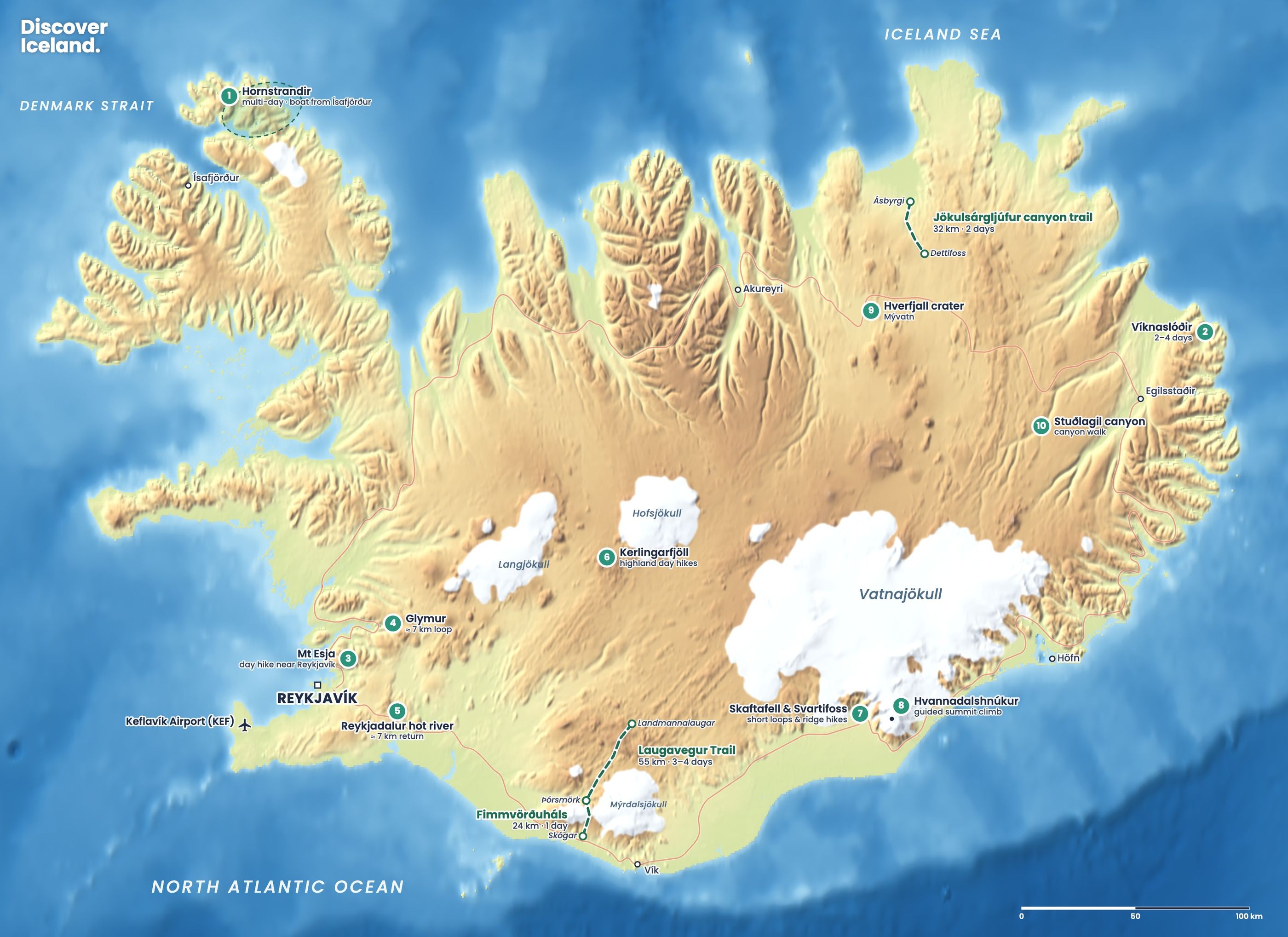
The mountain roads, marked with an F, only open in summer. They usually open between mid and late June and close again in September, but the dates change every year and route by route as snow melts and the roads dry. Some open as late as early July.
Only 4x4 vehicles are allowed on F-roads, and many have unbridged river crossings. If Landmannalaugar or the interior is on your list, travel from July to early September and check each road's status on the road authority's map before you set off.
What holidays and events are on in Iceland in 2027?
| Date | Holiday or event | What it means for visitors |
|---|---|---|
| 25–29 Mar | Easter (Maundy Thursday to Easter Monday) | Five-day weekend; some shops close, popular places get busy. |
| 22 Apr | First Day of Summer | Public holiday; small local celebrations. |
| 17 Jun | National Day | Parades and concerts in Reykjavík and every town. |
| 31 Jul–2 Aug | Commerce Day long weekend | Iceland's biggest travel weekend; festivals, full campsites and busy roads. |
| August | Reykjavík Pride and Culture Night | Big city events; check the dates and book Reykjavík rooms early. |
| 24–26 Dec | Christmas | Many tours and restaurants close or shorten hours, mainly on the 24th and 25th. |
| 31 Dec | New Year's Eve | Bonfires and huge fireworks across Reykjavík. |
When is Iceland busiest and most expensive?
Mid-June to the end of August is peak season. Rental cars, campervans and rooms in small towns along the south coast sell out, and prices are at their highest. In 2025 August was the busiest month for foreign departures at Keflavík. Book the summer months several months ahead, especially for anywhere east of Vík.
Prices dip in spring and autumn, and November and January are usually the quietest and cheapest months. The weeks around Christmas and New Year are an exception, with a short winter peak.
What should you pack for Iceland?
Pack for wind and rain in every season. That means a waterproof, windproof jacket and trousers, warm layers such as wool or fleece, a hat and gloves even in summer, and waterproof walking boots with good grip. In winter add microspikes or ice cleats for icy paths. A swimsuit is essential, because the geothermal pools are a big part of daily life. In June and July an eye mask helps you sleep in the bright nights.
Before you set off each day: check the weather forecast from the Icelandic Met Office, road conditions on the national road map, and any alerts from SafeTravel. In Iceland the plan follows the weather, not the other way around.
Facts checked October 2026. Climate figures are 1991–2020 averages for Reykjavík from the Icelandic Met Office. Highland road dates change every year, and event dates are set by their organisers; check official sources before you book.