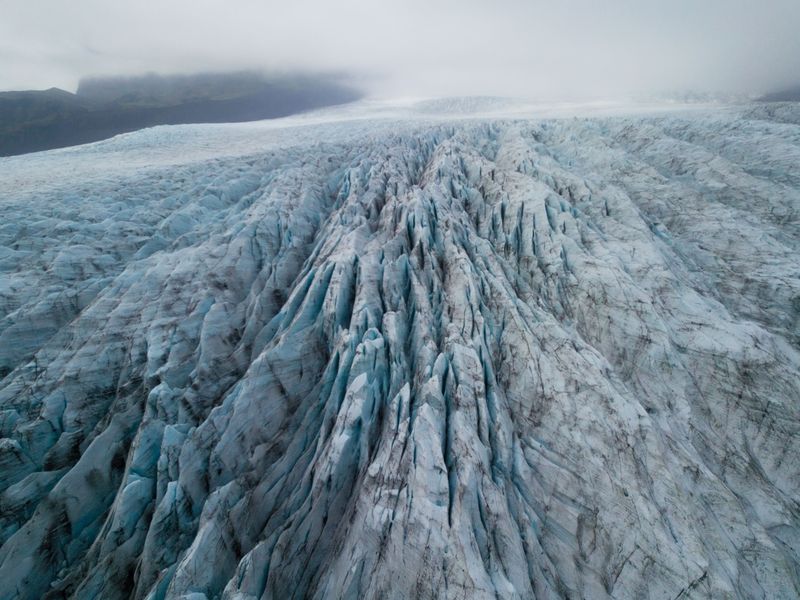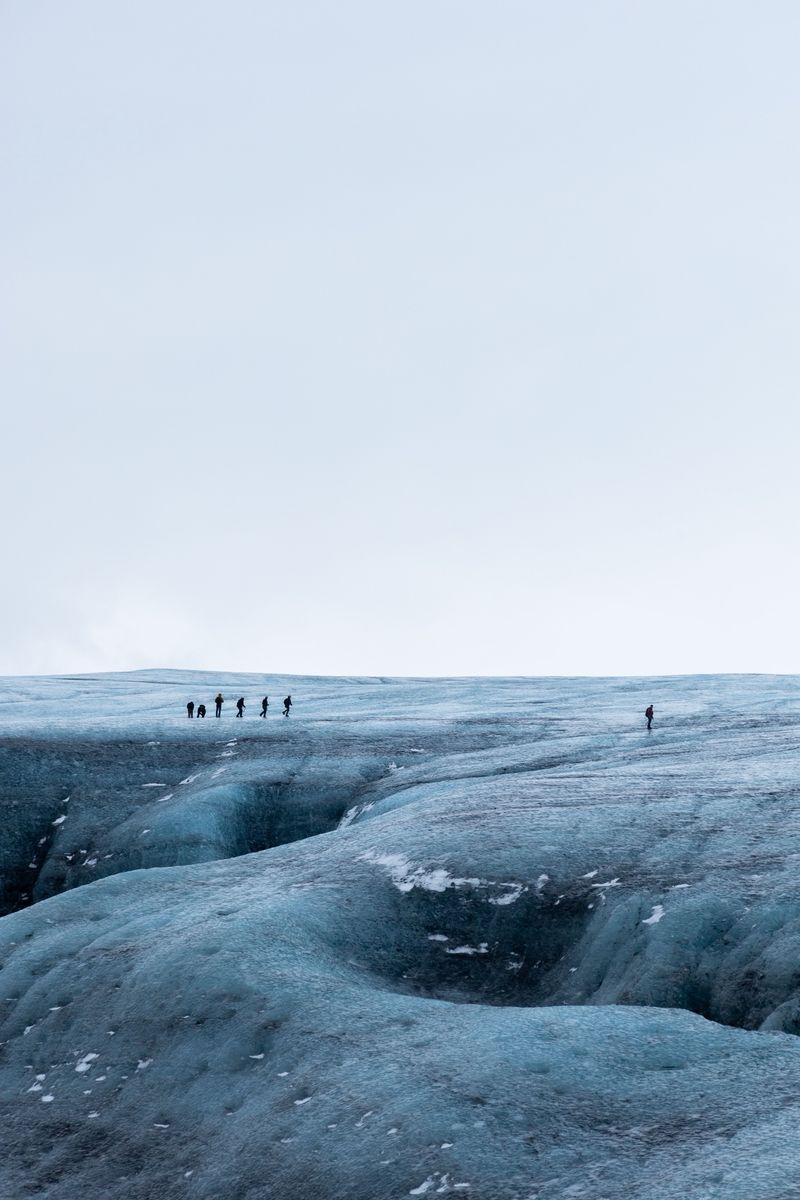
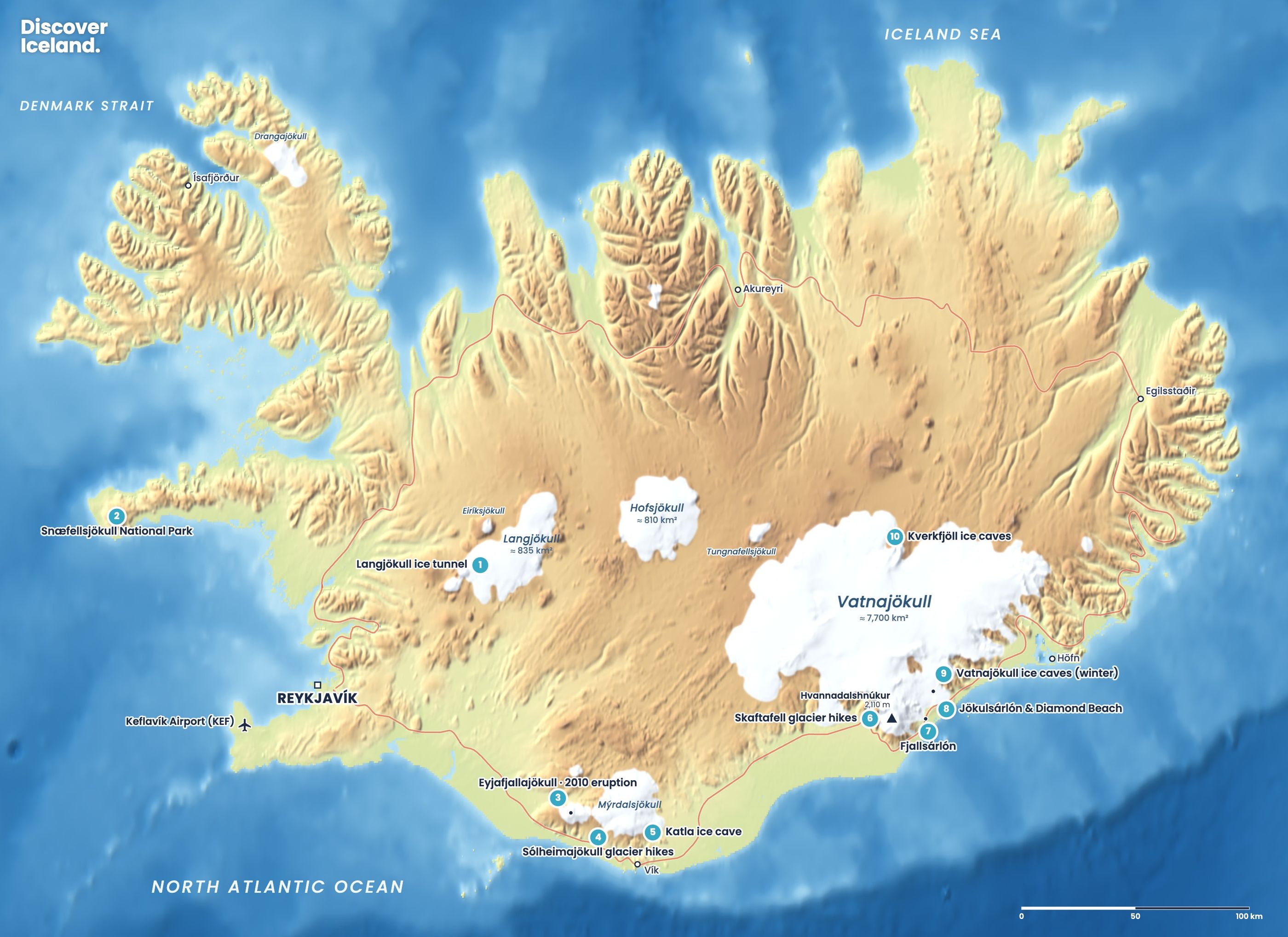
Jökulsárlón is a glacier lagoon on Iceland's south coast, and Diamond Beach is the black sand shore across the road where its icebergs wash up. Both sit beside Route 1, about 370 km east of Reykjavík, and both are free to walk around, with a parking fee of about ISK 1,000 per car. Go early or late to avoid the tour buses, take a boat tour between April and October, and never climb on the ice.
Where are Jökulsárlón and Diamond Beach?
They are in southeast Iceland, on the Ring Road between Skaftafell and Höfn, inside Vatnajökull National Park. Jökulsárlón is about 370 km from Reykjavík, roughly 4.5 to 5 hours of driving without stops. Höfn is about 80 km further east, around an hour away, and Skaftafell is about 45 minutes to the west.
The lagoon lies on the inland side of Route 1. Diamond Beach lies on the ocean side, either side of the short river that carries the ice out to sea under the bridge. There are car parks at the lagoon and on both sides of the beach, all within two minutes' drive.
What is Jökulsárlón?
Jökulsárlón is a lake of meltwater in front of Breiðamerkurjökull, an outlet glacier of Vatnajökull. It began to form around 1934–35, when the glacier tongue pulled back from the coast. Since then it has grown quickly, from about 8 km² in 1975 to about 25 km² today. With a maximum depth of 284 m, it is one of the deepest lakes in Iceland.
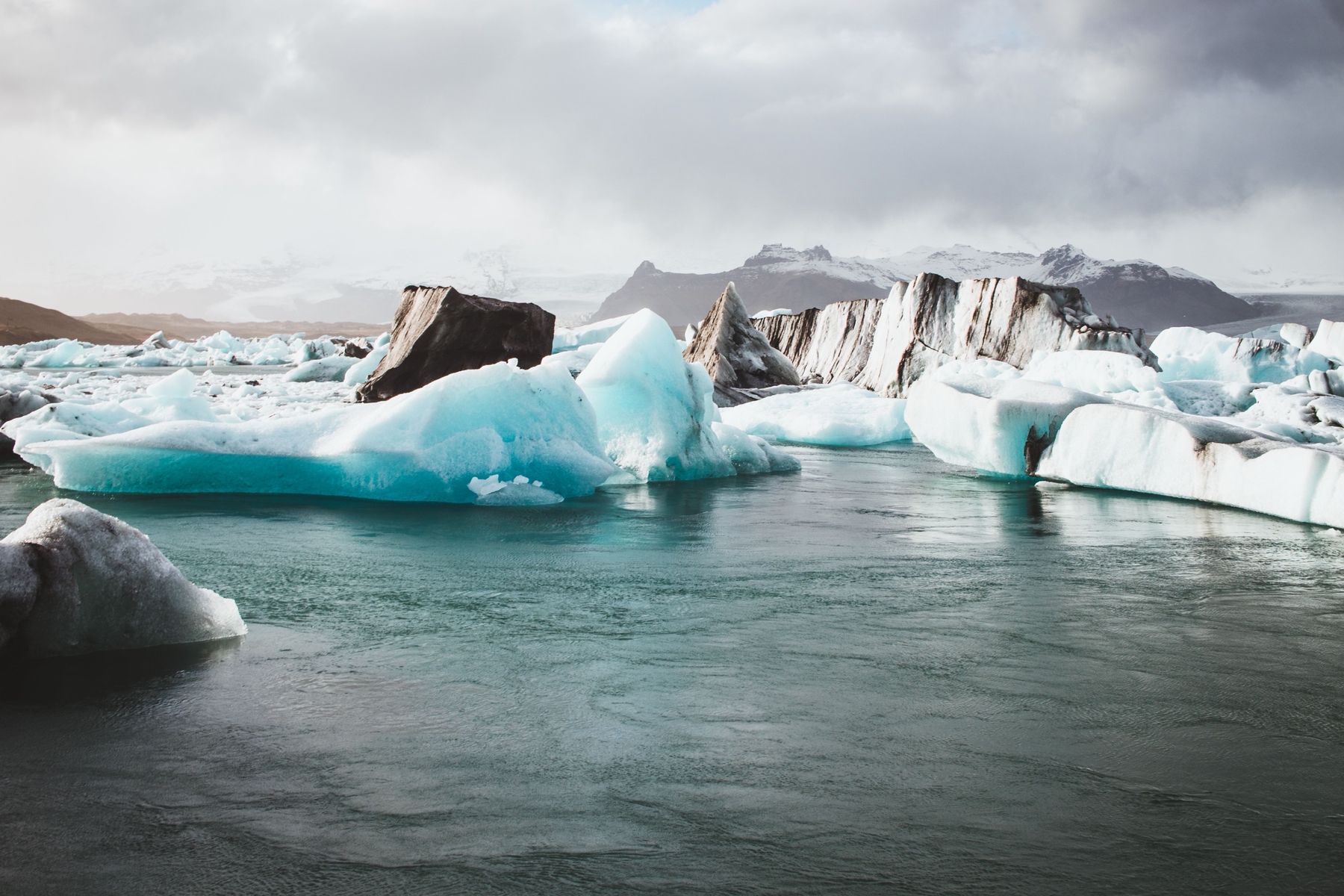
Icebergs break off the glacier front and float in the lagoon, some striped black with volcanic ash, some bright blue, and slowly drift towards the outlet. The state bought the land in 2017 and the lagoon became part of Vatnajökull National Park the same year. The lagoon has also appeared in films including the James Bond films A View to a Kill and Die Another Day, and Batman Begins.
What is Diamond Beach?
Diamond Beach is the stretch of black sand on both sides of the Jökulsárlón outlet, where chunks of ice from the lagoon wash ashore. The shore is part of Breiðamerkursandur, the wide sand plain built by the glacier's rivers. The waves polish the ice until it shines against the black sand, which gives the beach its name.
The beach has two sides. The east side is bigger and busier. The west side is often quieter and popular with photographers at dawn. You cannot walk between them along the sand, because the river is deep and fast. Drive across the bridge instead, and never wade the river mouth.
How much ice you see changes every day. Winter usually brings the most and largest pieces. In summer the ice is smaller and more scattered, and on some days there is very little.
Should you take a boat tour on Jökulsárlón?
A boat tour is the best way to see the icebergs up close, and it is worth it if you have the time. There are two types, both leaving from the lagoon. Prices below are approximate starting prices checked in 2026.
| Tour | Season | Time on the water | Minimum age | From about |
|---|---|---|---|---|
| Amphibian boat | About May to October | About 30–40 min | All ages | ISK 7,100 |
| Zodiac boat | About April to October | About an hour or more | 8 years | US$135–139 |
The amphibian boat drives off the shore into the lagoon and cruises among the icebergs nearest the beach. It suits families and anyone who wants a calm, short trip. The Zodiac is a small, fast boat for up to 12 people that goes much further across the lagoon, towards the glacier front. You wear a floatation suit and need to sit on the side of the boat, so it is more physical.
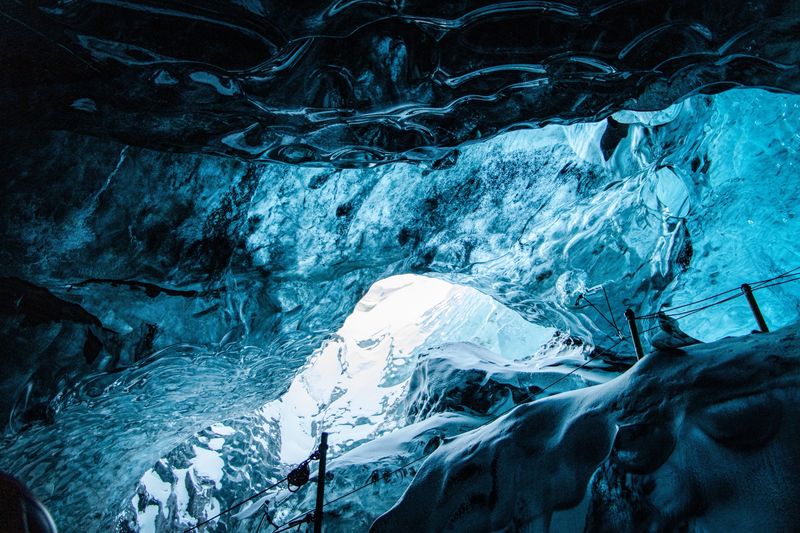
Book ahead in July and August. Tours can be cancelled in strong wind or when too much ice blocks the lagoon. In winter there are no boat tours, but the lagoon is the meeting point for most ice cave tours. See our Iceland ice cave guide for those.
Can you see seals at Jökulsárlón?
Often, yes. Seals come into the lagoon and gather at its mouth to hunt fish, especially in winter. Look for heads in the water near the bridge and for seals resting on the floating ice. Watch them from the shore and keep your distance if one is on the beach.
When is the best time to visit?
You can visit Jökulsárlón and Diamond Beach all year, 24 hours a day. Early morning and evening are best. The light is softer, and you avoid the tour buses, which mostly arrive between about 11:00 and 16:00.
- Summer (June to August): long days, boat tours and a chance of midnight-sun light. Less ice on the beach.
- Autumn (September to October): fewer people, boat tours still running, and the first dark nights for the northern lights.
- Winter (November to March): the most ice on the beach, ice cave tours, and the chance of auroras over the lagoon. Days are short and the road can be icy.
The ice on Diamond Beach changes with the tide. A visit in the hours after high tide often finds fresh pieces washed up.
How much does parking cost at Jökulsárlón?
Parking costs about ISK 1,000 for a standard car per day, as of 2026, and more for larger vehicles. One payment covers the lagoon and Diamond Beach car parks on the same day. You pay through the Parka app or website, or at machines on site, and number-plate cameras record your visit. The fee runs until midnight.
If you also stop at Skaftafell that day and pay with the same method, the second site is half price. Entry to the lagoon and the beach is free. The fees pay for toilets, rangers, rubbish collection and path upkeep.
Never climb on the icebergs. Ice on the beach and in the lagoon can roll, split or float off with you on it. Keep back from the waterline, never wade the river mouth, and if someone is swept out, do not go in after them. Call 112.
How do you stay safe at Diamond Beach?
Treat the beach like any exposed Atlantic shore. Waves can run much further up the sand than the ones before, and the water is close to freezing. Keep children close, do not turn your back on the sea, and stay off the ice blocks, however small and stable they look.
In winter, add a margin for storm surf and icy paths, and wear microspikes if the car parks are glazed. Unlike Reynisfjara, there is no warning-light system here, so judge the sea yourself and stay well back.
How long should you spend at Jökulsárlón?
Allow at least two hours for the lagoon and both sides of Diamond Beach, and three to four hours with a boat tour. Walking along the lagoon shore east of the café gives you quieter views than the main car park.
There are toilets and cafés by the lagoon car park. Fuel, shops and the nearest wide choice of food are in Höfn. If you have time, stop at Fjallsárlón 10 km to the west, a smaller lagoon right under the glacier wall. Our guide to glacier lagoons beyond Jökulsárlón covers it and others.
Can you visit Jökulsárlón as a day trip from Reykjavík?
You can, but it is a very long day. The return drive is about 740 km, at least nine hours at the wheel before any stops. Day tours from Reykjavík exist, but most of the day is spent on the bus, and in winter much of it is in the dark.
A night or two nearby is much better. Stay around Skaftafell, at one of the farm hotels near the lagoon, or in Höfn, and you can see the ice at sunrise before the buses arrive. Our guide to Iceland's glaciers has a three-day south coast plan, and the Jökulsárlón place page and Breiðamerkurjökull page have more photos.
Facts checked October 2026. Parking fees, boat tour seasons and prices change every year; check Parka and the tour operators before you go. The amount of ice on Diamond Beach varies daily.
Sources
- Jökulsárlón (Wikipedia)
- Diamond Beach guide (Iceland Highlights)
- Diamond Beach travel guide (Guide to Iceland)
- Visit Jökulsárlón or Skaftafell: area fees (Vatnajökull National Park)
- Parking fees in Iceland (Go Campers)
- Pay for parking at Skaftafell (Parka)
- Jökulsárlón amphibian boat tour (Arctic Adventures)
- Jökulsárlón Zodiac boat tour (Arctic Adventures)