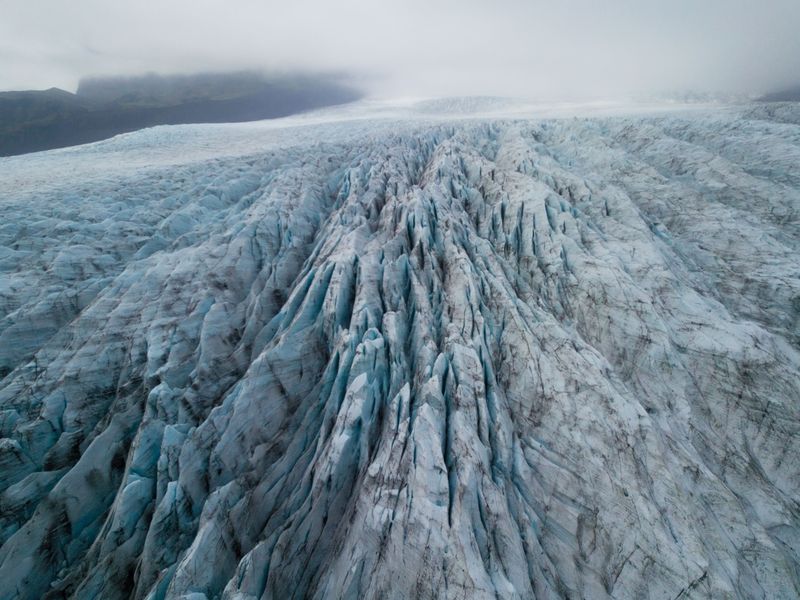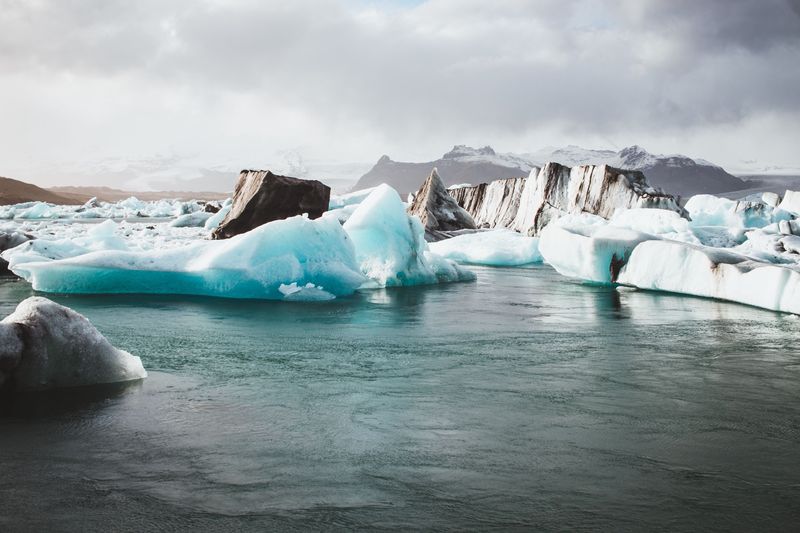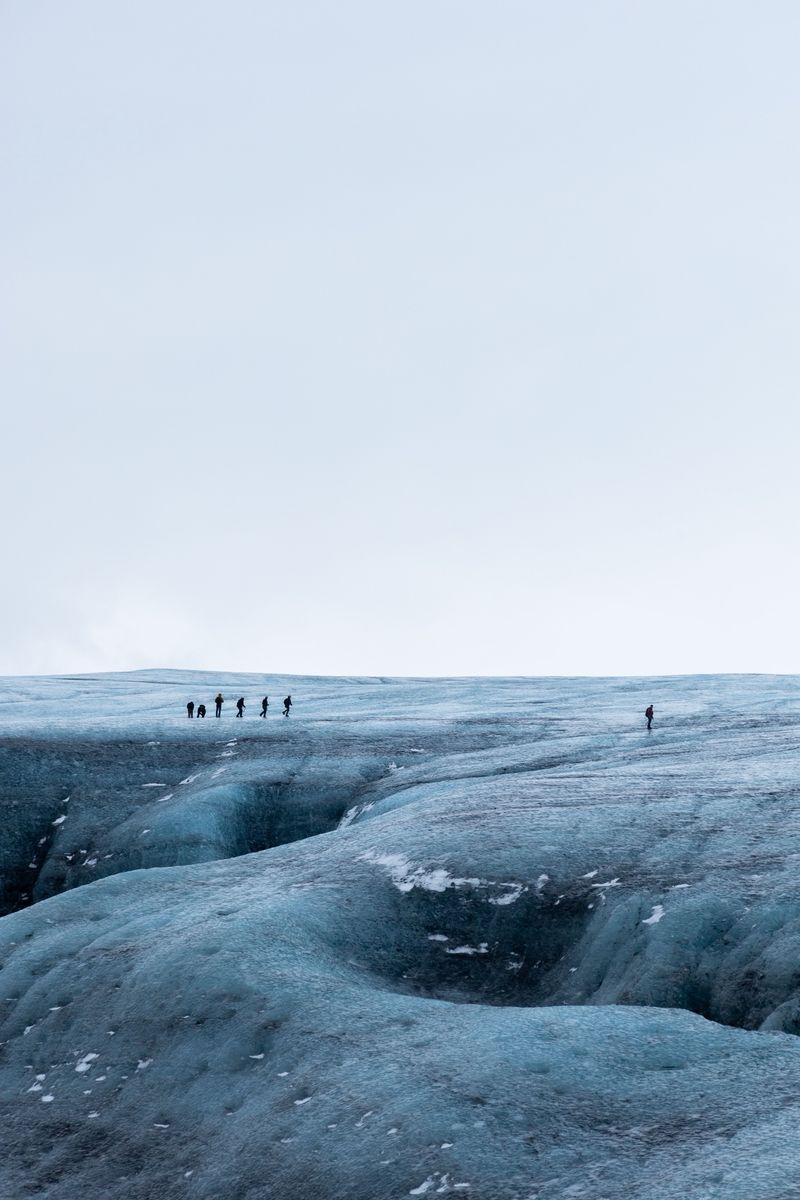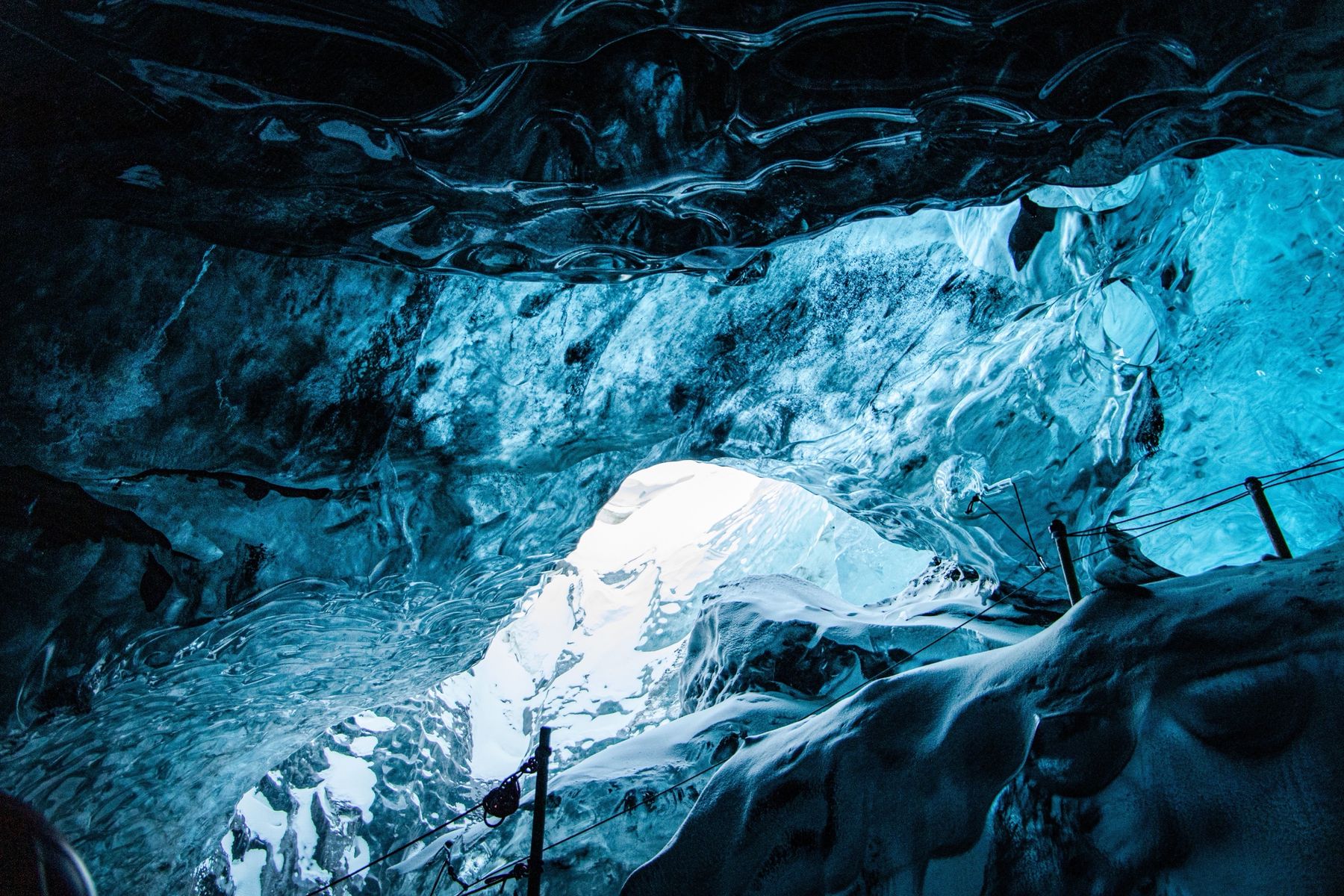
The classic Iceland ice cave, with walls of glowing blue, is a natural cave inside Vatnajökull, and you can only visit one in winter, roughly from October or November to March. Outside that season, the Katla ice cave near Vík runs all year, and Into the Glacier on Langjökull is a man-made tunnel open in every month. Every ice cave visit must be with a licensed guide. Here is how the options compare, how safe they are and how to choose.
What kinds of ice cave can you visit in Iceland?
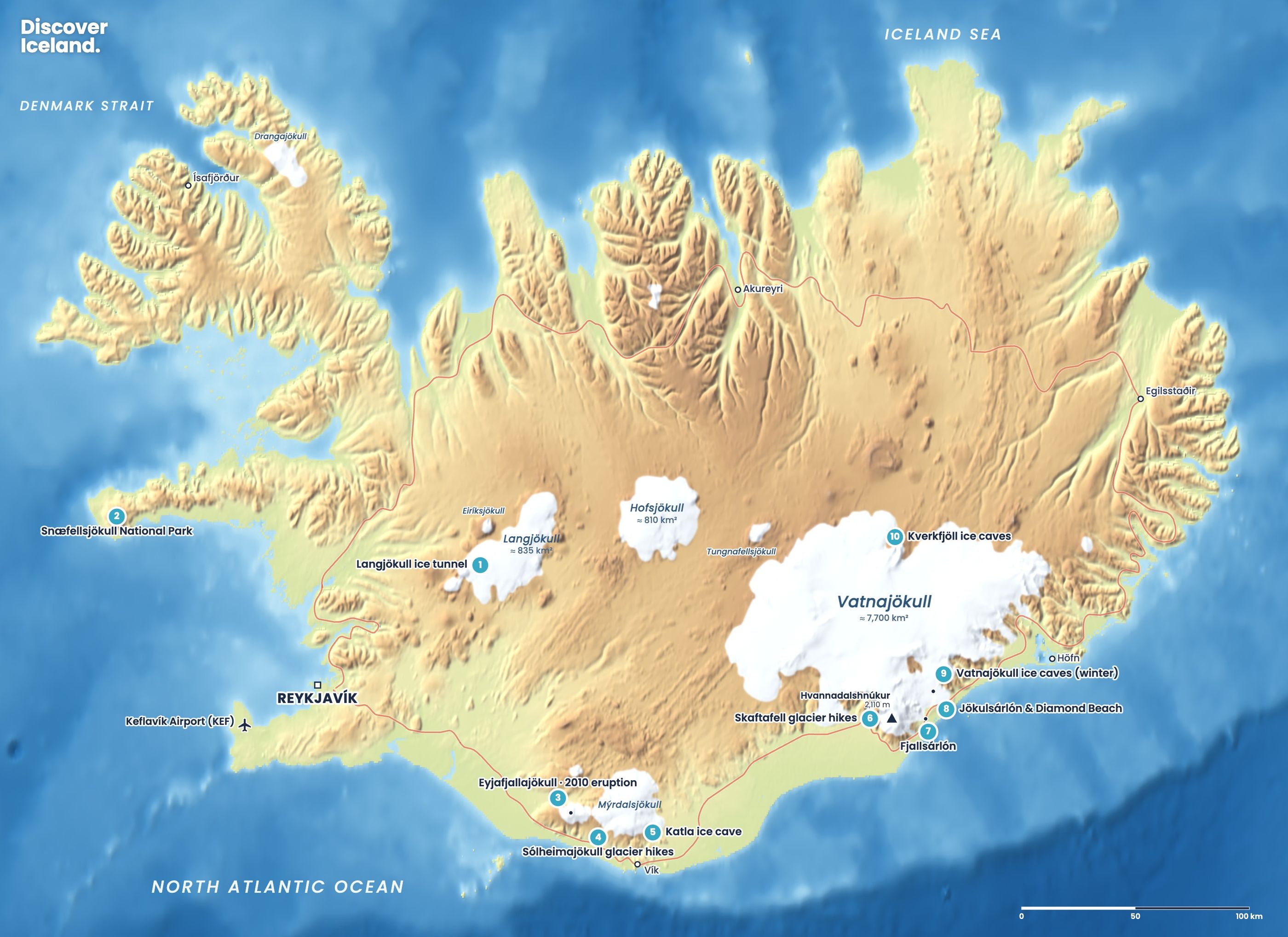
There are three main types: natural winter caves in Vatnajökull, the year-round Katla cave in Mýrdalsjökull, and the man-made tunnel in Langjökull. They differ in colour, season, distance from Reykjavík and how much walking they need.
| Cave | Glacier | Season | Starts from | What it looks like |
|---|---|---|---|---|
| Vatnajökull natural caves (incl. "Crystal" caves) | Breiðamerkurjökull and nearby outlets of Vatnajökull | About Oct/Nov to Mar/Apr | Jökulsárlón, Skaftafell | Bright blue, clear ice; changes every year |
| Katla ice cave | Kötlujökull, an outlet of Mýrdalsjökull | All year | Vík, or day tours from Reykjavík | Darker ice striped with black volcanic ash |
| Into the Glacier | Langjökull | All year | Húsafell, or day tours from Reykjavík | Man-made tunnel about 500 m long, lit inside |
If the bright blue walls in photos are what you want, plan a winter trip and book a Vatnajökull cave. If you travel in summer, or have limited time, Katla or the ice tunnel are the realistic options.
When is the ice cave season in Iceland?
The natural ice caves in Vatnajökull National Park open from about October to April, and are closed from May to September. The most reliable months are November to March. The 2025–26 season began in October, but each season starts only when guides judge the caves safe, so early dates are never certain.
The caves form in summer, when meltwater cuts channels through the glacier. As the water drains away in autumn and the ice freezes hard, a hollow is left that people can walk into. Each winter brings different caves, so the one you visit will not look exactly like last year's photos.
Within the season, the coldest months are the most stable. February and January have the most days below freezing. October and March have softer ice and more rain, and heavy rain on the day is the most common reason for a cancellation.
Are Iceland's ice caves safe?
Ice caves are safe enough on a licensed tour in the cold season, but they are never risk-free. On 25 August 2024, part of an ice cave on Breiðamerkurjökull collapsed during a summer tour. An American visitor was killed and another person was seriously injured. The Association of Icelandic Mountain Guides warned afterwards that glacier trips in the warmer months can be very dangerous.
The park changed its rules after the accident. These are the main ones now in place:
- Ice cave tours in Vatnajökull National Park run only in the cold season, and the caves are closed from May to September.
- Experienced lead guides assess every cave each day, and any cave judged unsafe stays closed. Companies share their risk assessments.
- Each guide may take only 8 to 16 guests, depending on the tour.
- Only companies with a park contract may lead tours. About 30 companies received contracts in the current round.
The Katla cave lies outside the national park, so the park's rules do not cover it. Operators there run their own risk checks, and guides may switch to another part of the glacier if the usual cave is unsafe.
Never enter an ice cave on your own. Ceilings can thin by several centimetres in a day, meltwater can rise fast, and a cave that looks solid can collapse. Go only with a licensed guide, and accept a cancellation if they call one.
Which ice cave tour should you choose?
Choose by where you are staying and the season. These are the main options, with approximate prices checked in 2026.
- Vatnajökull caves from Jökulsárlón (winter): most tours meet at the Jökulsárlón car park and drive by super jeep to the glacier. They take about 2.5 to 3 hours, cost from about ISK 22,000–24,000, and usually accept children from about 6 to 8. You need your own car or a multi-day tour, as there is no pickup.
- Longer small-group caves (winter): five-to-six-hour tours visit more remote caves and include more walking on the glacier. They cost from about ISK 37,000.
- Ice cave and glacier hike from Skaftafell (winter): about four hours, combining a hike on the ice with a cave visit, from about ISK 18,500.
- Katla ice cave from Vík (all year): a super jeep drives about 30 minutes across black sand to Kötlujökull. Tours take about three hours and cost from about ISK 24,000, a little more in winter. Full-day tours from Reykjavík take 11 to 12 hours.
- Into the Glacier from Húsafell (all year): about three to four hours, with a glacier truck ride up Langjökull and a guided walk through the tunnel, from about ISK 25,000–28,000. It is about two hours' drive from Reykjavík. The tunnel has flat, prepared floors, so it suits people who cannot manage rough ground.
Many visitors combine a winter ice cave with Jökulsárlón and Diamond Beach on the same day. Our Jökulsárlón and Diamond Beach guide covers the lagoon, and our glacier hiking guide helps if you want time on the ice as well.
How do you get to the ice caves?
For the Vatnajökull caves, drive yourself to the meeting point at Jökulsárlón or Skaftafell. Jökulsárlón is about 370 km from Reykjavík, so stay at least one night in the area. Winter roads on the south coast can be icy and closed by storms, so check road.is and vedur.is each morning and leave a margin before your tour time.
For Katla, Vík is about 2.5 hours from Reykjavík, and day tours with pickup run from the capital. For Into the Glacier, you can drive to Húsafell in about two hours or join a full-day tour from Reykjavík.
What should you wear in an ice cave?
Wear the same clothes as for a glacier hike. The inside of a cave is around freezing, damp and often dripping, and you walk on the glacier to reach it.
- Waterproof hiking boots with ankle support. Many operators rent them.
- Warm base layer and a wool or fleece mid-layer.
- Waterproof jacket and trousers.
- Hat, gloves and a buff or scarf.
- A small bag with water and a snack.
The operator provides a helmet and crampons, and a harness and ice axe on longer tours. Leave large bags in the car.
Can you visit an ice cave in summer?
Yes, but not the natural blue caves of Vatnajökull. In summer your options are the Katla ice cave, which runs every month, and the Into the Glacier tunnel on Langjökull. Katla's ash-covered ice melts more slowly, which keeps the cave usable year-round, but expect darker, ash-streaked walls rather than glassy blue ice.
How far ahead should you book?
Book a few weeks ahead for December to March, and longer for the Christmas and New Year period. Plan your tour for the first full day in the area, so a weather cancellation can move to the next day, and read the cancellation terms before you pay.
For winter planning, read our guide to Iceland's glaciers, the ice caves place page, and our northern lights guide for the evenings. Winter visitors also find the Vatnajökull page useful for the wider area.
Facts checked October 2026. Ice cave seasons depend on the weather each year, and tours are cancelled whenever guides judge a cave unsafe. Prices are approximate 2026 starting prices; check the operator before booking.
Sources
- The safest month to visit ice caves in Iceland (Guide to Iceland)
- Ice cave tours in Iceland: which one to choose, 2026–27 (Iceland Travel Guide)
- Visitor numbers may be limited on Vatnajökull ice cave tours (Reykjavík Grapevine)
- Collapse of ice cave in Iceland (Associated Press via ADN)
- When is the ice-cave season? (Visit Vatnajökull)
- Katla ice cave tour (Iceland Highlights)
- Into the Glacier from Húsafell (Iceland Highlights)